Automotive drilling challenges: how manufacturers improve consistency in high-volume production
Drilling operations are at the core of high-volume automotive manufacturing. From powertrain components to chassis and safety parts, millions of holes are produced every year under demanding conditions. While drilling is a mature machining process, maintaining consistency at scale remains a significant challenge for many manufacturers.
This article explores common automotive drilling challenges and highlights process-focused best practices used to improve stability and repeatability in production environments.
Why drilling performance matters in automotive manufacturing
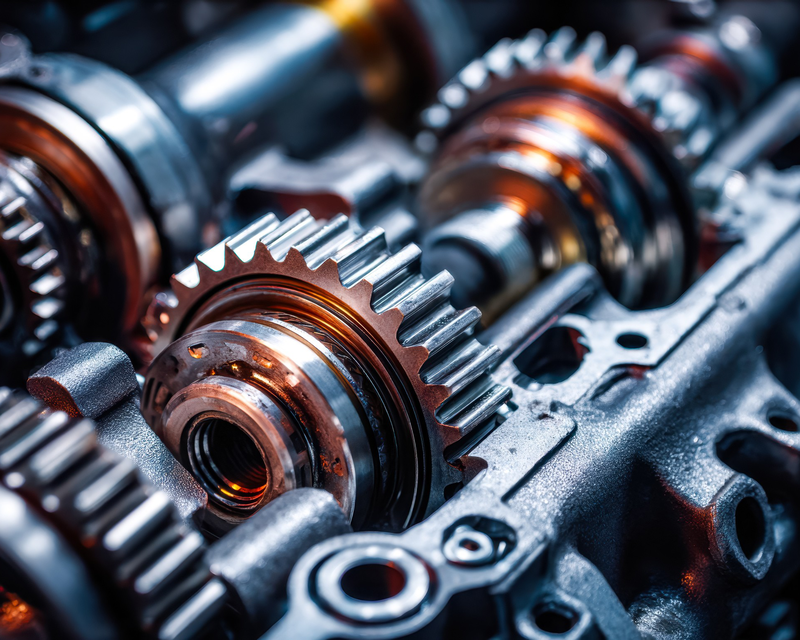
In automotive production, drilling is rarely performed in isolation.
Hole quality directly affects downstream operations such as reaming, tapping, assembly, and functional performance of the finished component.
Variability in drilling can therefore have a cascading impact on throughput, quality metrics, and overall manufacturing cost.
Common drilling challenges in high-volume automotive production
Despite standardized production lines, automotive manufacturers frequently encounter similar drilling-related issues:
1. Inconsistent hole size, position, or surface quality over long production runs
As precision standards rise, maintaining hole dimensional accuracy, roundness, and surface finish has become more demanding than ever. Automotive components such as cylinder heads, transmission housings, and braking systems often require micron-level tolerances, making stable precision drilling and finishing processes essential.
Factors like tool deflection, vibration, and machine instability can negatively affect hole quality. To address this, manufacturers rely on rigid setups, high-performance coatings, and stable tool holding systems.
Additionally, multi-step operations, combining drilling, chamfering, and counterboring, can improve efficiency but increase process complexity. High-quality indexable and solid carbide drills with optimized geometries help ensure consistent performance across varying materials and machine conditions.
2. Chip evacuation problems in deep, cross, or interrupted holes
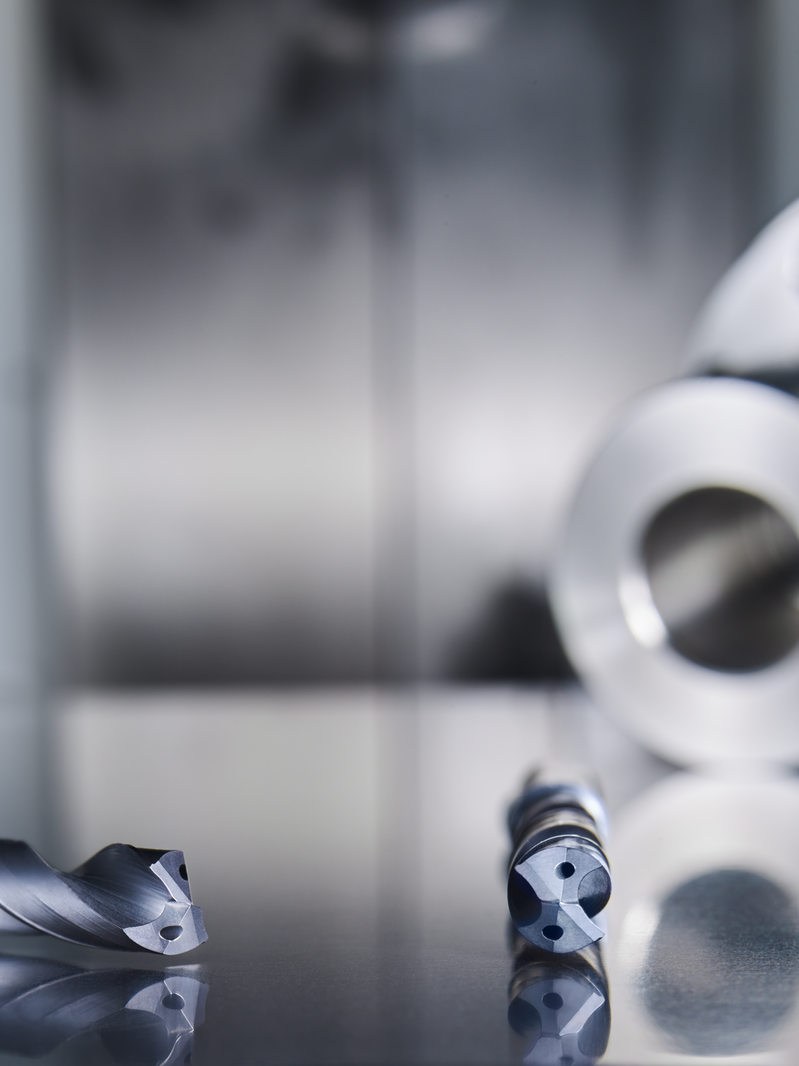
A key challenge in drilling lies in the variation of cutting speed across the drill diameter, dropping to zero at the center, which adds to process complexity. This is why carefully engineered drill geometries are critical for ensuring efficient chip evacuation and consistent performance.
One of the most persistent issues in automotive drilling is chip management. Whether deep hole drilling in engine blocks or producing shallow features in chassis components, uncontrolled chips can clog flutes, increase friction, and damage surface finishes.
Effective chip control depends on tool geometry, coolant strategy, and cutting parameters. For chip control in drilling, features such as optimized helix angles, polished flutes, and through-coolant designs play a crucial role in maintaining a clean cutting zone.
Modern drills with through-coolant capabilities deliver high-pressure fluid directly to the cutting edge, stabilizing temperatures and ensuring consistent chip evacuation, especially vital in automated production lines where downtime directly impacts productivity.
3. Tool wear variation caused by material inconsistencies or changing cutting conditions
The shift toward lightweighting and electrification has transformed the material landscape. Components once made primarily from cast iron or steel now incorporate aluminum alloys, advanced high-strength steels (AHSS), and composites – each bringing unique drilling challenges. In practice, this often means switching between drilling aluminum and drilling AHSS within the same plant, sometimes within the same assembly.
- Aluminum alloys demand high cutting speeds and efficient chip evacuation to prevent built-up edges.
- AHSS generates high heat, accelerating tool wear.
- Composites pose risks such as delamination and fiber pullout if parameters are not optimized.
These complexities require specialized drill geometries, advanced coatings, and carefully tuned cutting parameters. Optimized flute design and point angles help reduce cutting forces and improve surface integrity – especially critical in multi-material assemblies.
4. Tool life vs. cycle time: high-speed drilling wear challenges in automotive manufacturing
Automotive production lines are built for high throughput, leaving little room for unplanned stops. While tool wear is inevitable, minimizing its impact is essential for maintaining productivity and controlling costs.
Heat generation, cutting forces, and coating performance all influence tool life. Incorrect parameter selection can significantly reduce tool longevity, leading to inconsistent results, more tool changes, and higher cost per hole.
Advancements such as nanostructured coatings, optimized edge preparations, and material-specific geometries are enabling longer tool life – even under high-speed or dry machining conditions. The objective is clear: maximize productivity while ensuring consistent hole quality and reducing overall tooling costs.
5. Automation & Industry 4.0: drilling process monitoring and integration challenges
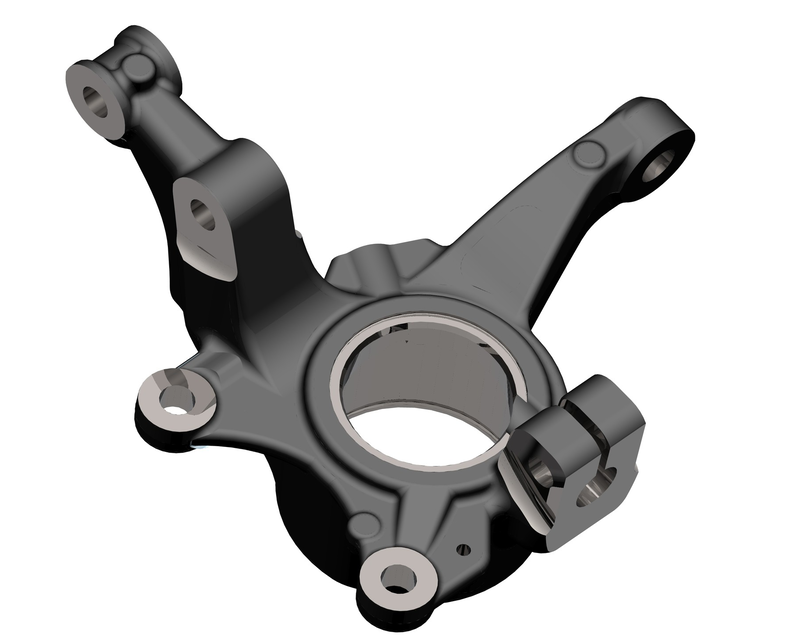
With the rise of smart manufacturing and Industry 4.0, drilling operations are increasingly integrated into automated, data-driven systems.
While automation improves efficiency, it also introduces new challenges:
- Variations in workpiece positioning or material batches can affect tool performance.
- Predictive maintenance requires accurate data from sensors and tool monitoring systems.
- Adaptive machining strategies depend on consistent and repeatable tool behavior.
Modern drilling solutions must go beyond cutting, they must integrate seamlessly into digital manufacturing environments.
Sensor-enabled tooling and predictive analytics are helping manufacturers monitor tool performance in real time, anticipate wear, and optimize process stability.
Process-focused best practices for improving drilling stability
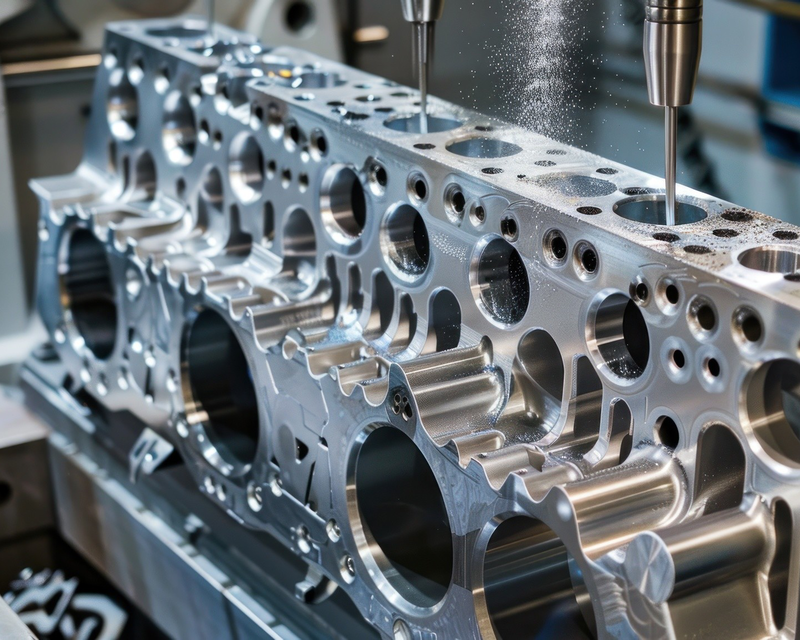
Rather than relying on a single change, manufacturers typically improve drilling performance through a combination of process-oriented actions.
These often include careful alignment of tool geometry with application requirements, consistent pre-hole conditions, and monitoring wear behavior to avoid unexpected failures.
Establishing stable, repeatable cutting conditions is generally prioritized over pushing maximum performance limits.
The importance of standardization in automotive drilling processes
Standardization plays a critical role in reducing variation across machines, shifts, and production sites. Clearly defined machining parameters, documented setups, and controlled tool change intervals help ensure that drilling results remain predictable over time. In high-volume environments, this level of consistency is essential for maintaining quality while controlling cost per part.
Building reliable drilling processes for long-term performance

Automotive drilling challenges are largely driven by scale, repetition, and the demand for zero-defect production. By focusing on process stability, repeatability, and standardized practices, manufacturers can reduce variability and support continuous improvement across their drilling operations.
Understanding these fundamentals is a critical first step toward evaluating more detailed application, or solution-specific approaches.
Quick checklist to improve automotive drilling performance
- Validate chip evacuation with the right flute design and coolant delivery (especially for deep hole drilling).
- Control hole quality by managing runout, rigidity, and vibration in the full holemaking sequence.
- Balance tool life and cycle time with material-specific parameters for drilling aluminum and drilling AHSS.
- Use process monitoring (spindle load, vibration, coolant pressure) to reduce variation on automated lines.
Precision, efficiency, and reliability: the three pillars of modern automotive production, all begin with a perfect hole.
Discover more about our Drilling solutions for Automotive