From ICE to EV – Why drilling remains at the core of automotive production
The automotive industry is undergoing a fundamental shift. As electric vehicles (EVs) continue to gain traction, manufacturers are rethinking vehicle design, materials, and production processes.
However, on the shop floor, some fundamentals remain unchanged.
Automotive drilling continues to play a central role in manufacturing and it is just as critical in EV production as it has always been in internal combustion engine (ICE) vehicles.
Different architectures, same dependence on precision
EVs are often seen as simpler machines. With fewer moving parts and no engine block, it’s easy to assume that machining requirements are reduced.
In reality, that’s not the case. Both ICE and EV platforms rely heavily on precision holemaking for assembly, alignment, and structural integrity.
In ICE vehicles, drilling is essential for:
- Engine blocks, cylinder heads, and key powertrain components including crankshafts, camshafts, and connecting rods
- Transmission housings
- Fuel and cooling systems
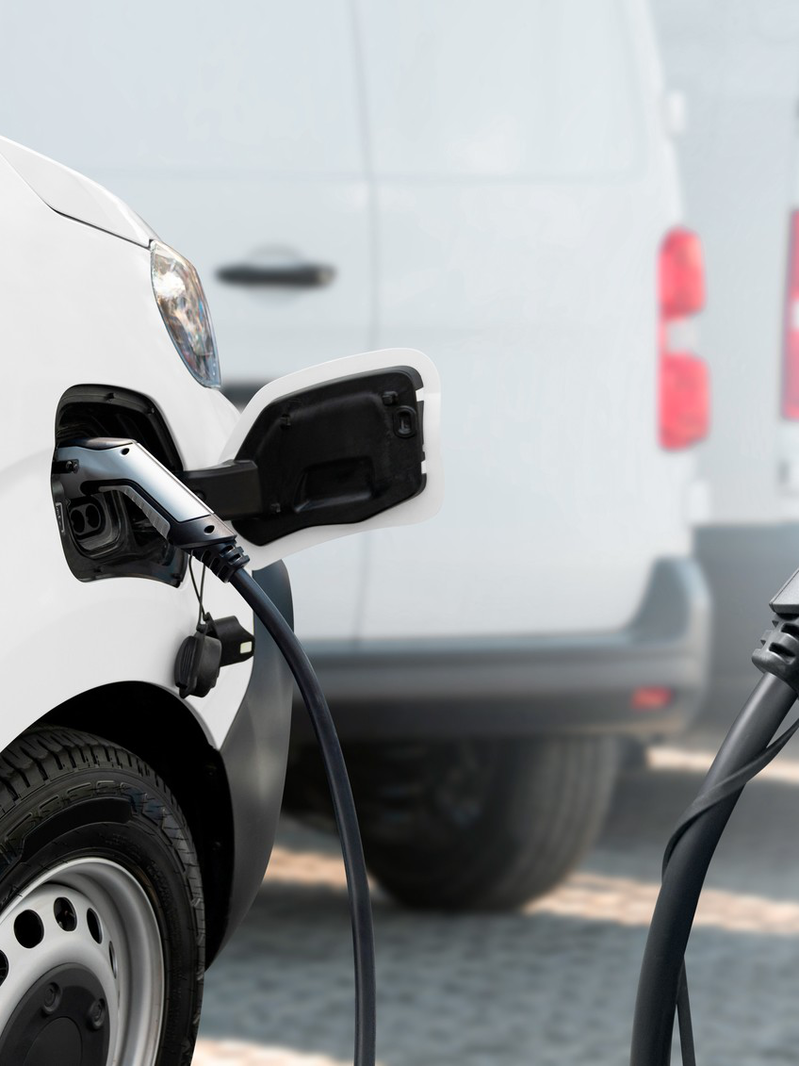
In EVs, the focus shifts to:
- Battery housings requiring accurate, burr-free holes
- E-motor components with tight tolerance requirements
- Thermal management systems that depend on consistent hole quality
While the components differ, the expectation from drilling remains the same – repeatability, accuracy, and reliability in high-volume production.
The hidden complexity of drilling
Drilling is often considered a basic machining operation. In practice, it is one of the most sensitive and process-dependent.
A key challenge lies in the nature of cutting speed across the drill diameter. It varies continuously and reaches zero at the center of the tool. This results in uneven cutting conditions, higher stress at the center, and increased potential for wear or breakage. In addition, chip breaking in long-chipping materials is often challenging, making it difficult to consistently produce high-quality holes.
In a high-volume automotive environment, even minor instability can lead to:
- Inconsistent hole quality
- Reduced tool life
- Unplanned downtime
For production teams, drilling is not just about creating a hole – it’s about maintaining a stable and predictable process.
Material evolution is changing the game
The transition to EVs is accelerating the use of lightweight and advanced materials. Aluminum alloys are widely used in battery housings, while high-strength steels and hybrid materials are becoming more common across structural components.
These materials introduce new challenges:
- Aluminum can produce long, continuous chips that are difficult to evacuate
- High-strength steels generate more heat and accelerate tool wear
- Mixed-material applications increase variability within the same operation
From a process control standpoint, this makes drilling in EV manufacturing more demanding than ever. As a result, drilling processes must be more controlled and better optimized to maintain performance.
Meeting the demands of mass production
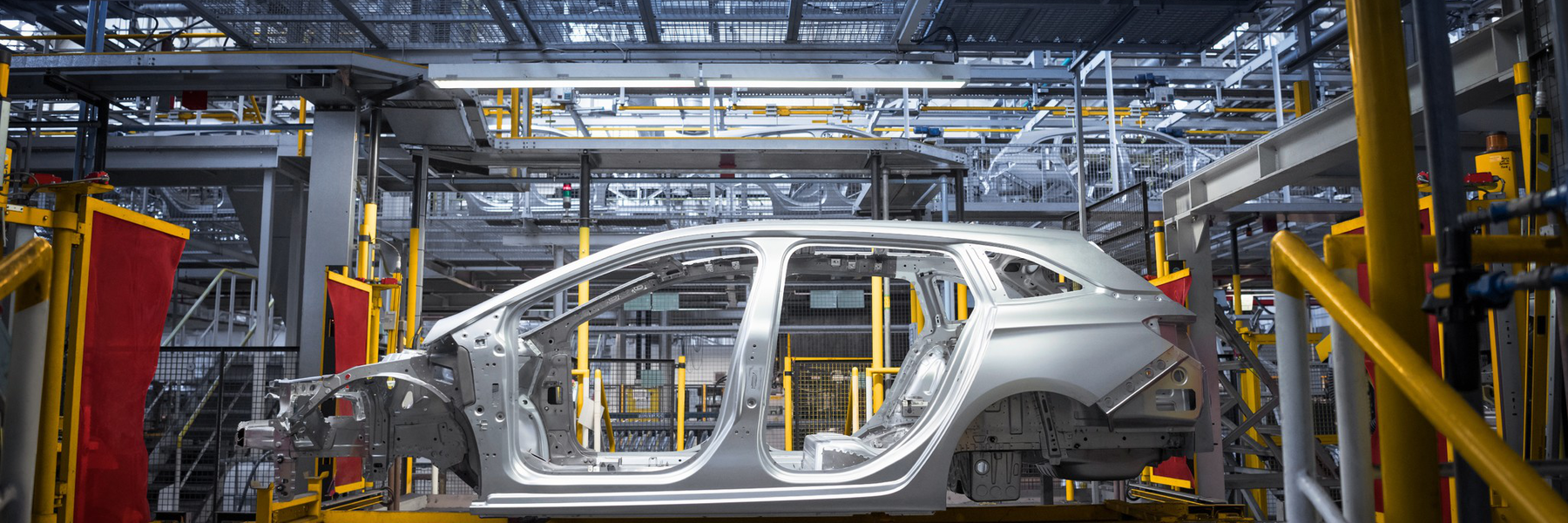
Automotive manufacturing continues to operate under intense production pressure. Whether it’s ICE or EV, the expectation is the same – high output with minimal variation.
At the same time, today’s highly automated production environments – and the move toward even more advanced automation in the future – underscore the importance of reliable and consistent tool performance as a foundation for operational success.
Drilling operations are expected to deliver:
- Short cycle times without compromising quality
- Consistent tool life across large production batches
- Stable performance with minimal interruptions
- Reliable hole quality from the first component to the last
Any deviation from this directly impacts productivity and cost per component.
Beyond the tool: A system approach
Advancements in drill design, such as optimized geometries, coatings, and chip evacuation features, have significantly improved performance. However, tooling alone does not guarantee results.
Drilling performance depends on how well the entire process is aligned:
- Machine capability and rigidity
- Cutting parameters
- Coolant strategy
- Application knowledge
Treating drilling as an integrated system, rather than an isolated operation, is key to achieving consistent outcomes in modern automotive production.
ICE vs. EV: evolution, not elimination
While EVs eliminate certain ICE components, they introduce new ones with equally demanding machining requirements.
Battery systems, for example, involve large aluminum structures that require precision drilling for sealing and assembly. E-motor components demand tight tolerances to ensure efficiency and performance.
From a machining standpoint, the shift from ICE to EV is not about reducing drilling - it’s about adapting it to new materials and applications.
Conclusion
As the automotive industry continues its transition toward electrification, drilling remains a foundational process.
The components may change, and the materials may evolve, but the need for precise, reliable holemaking does not. For production teams, success will depend on how well drilling processes are engineered for stability, consistency, and scale.
Because regardless of the powertrain, if the hole isn’t right, the part, and the process won’t perform as expected.
Discover more about our drilling solution for Automotive components
Drilling solutions for automotive