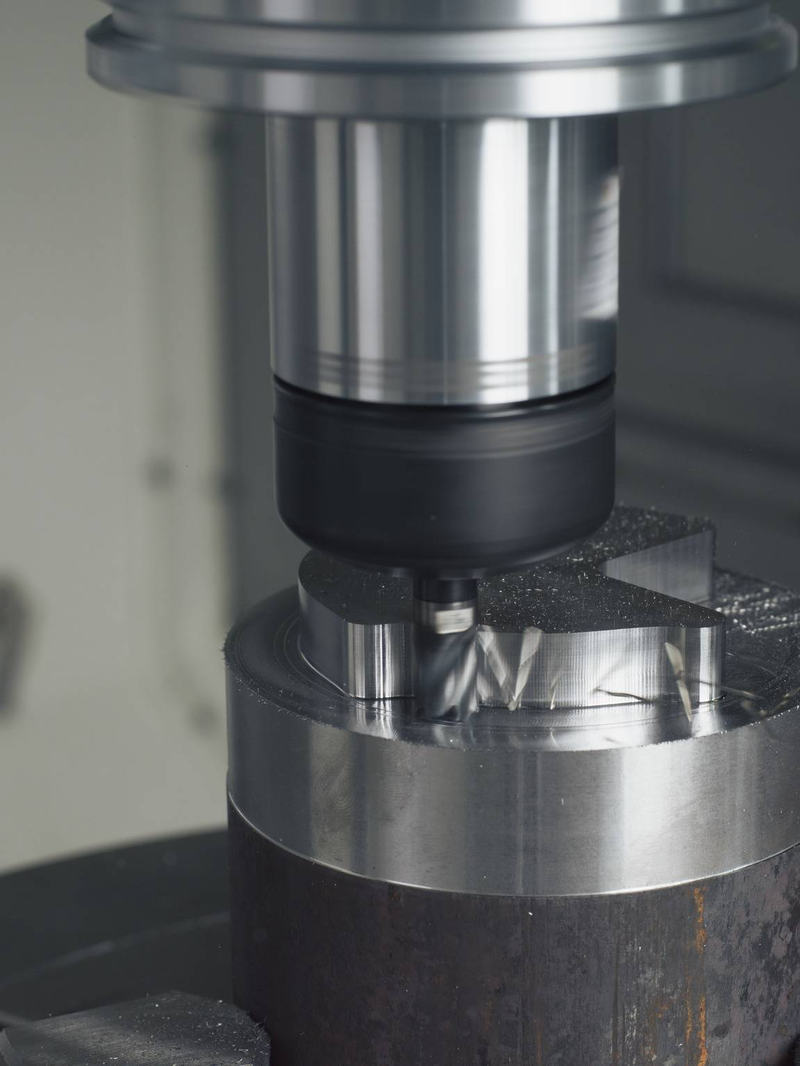
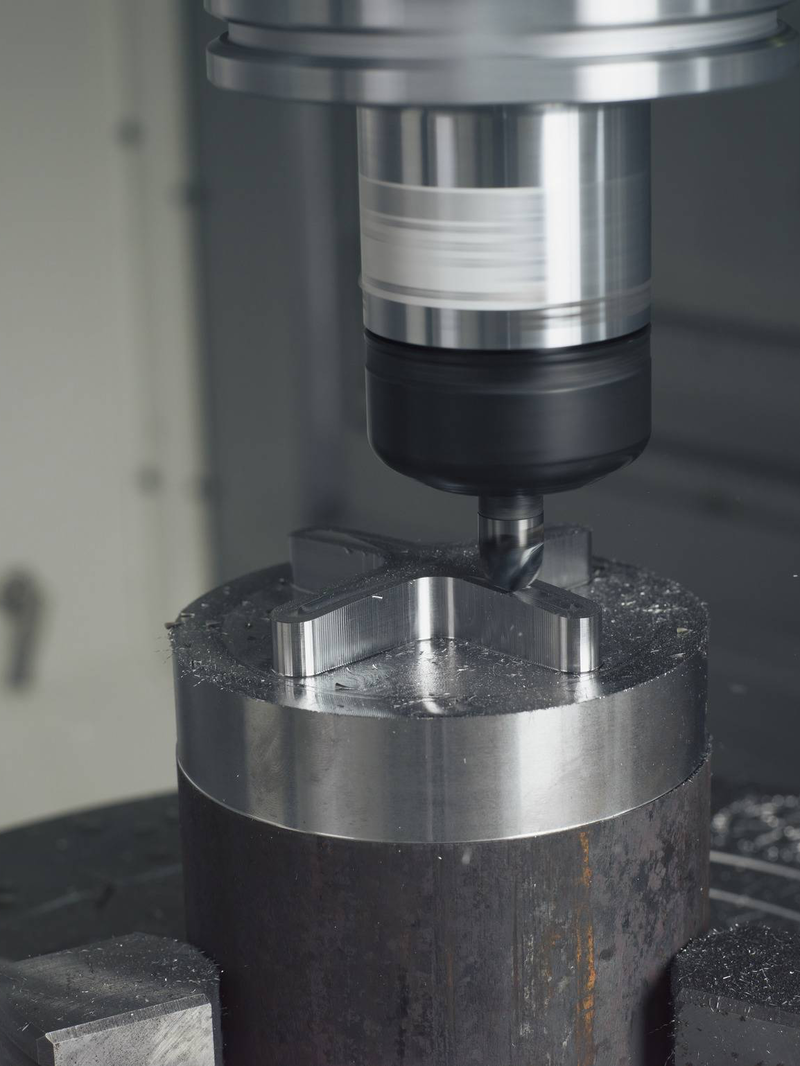
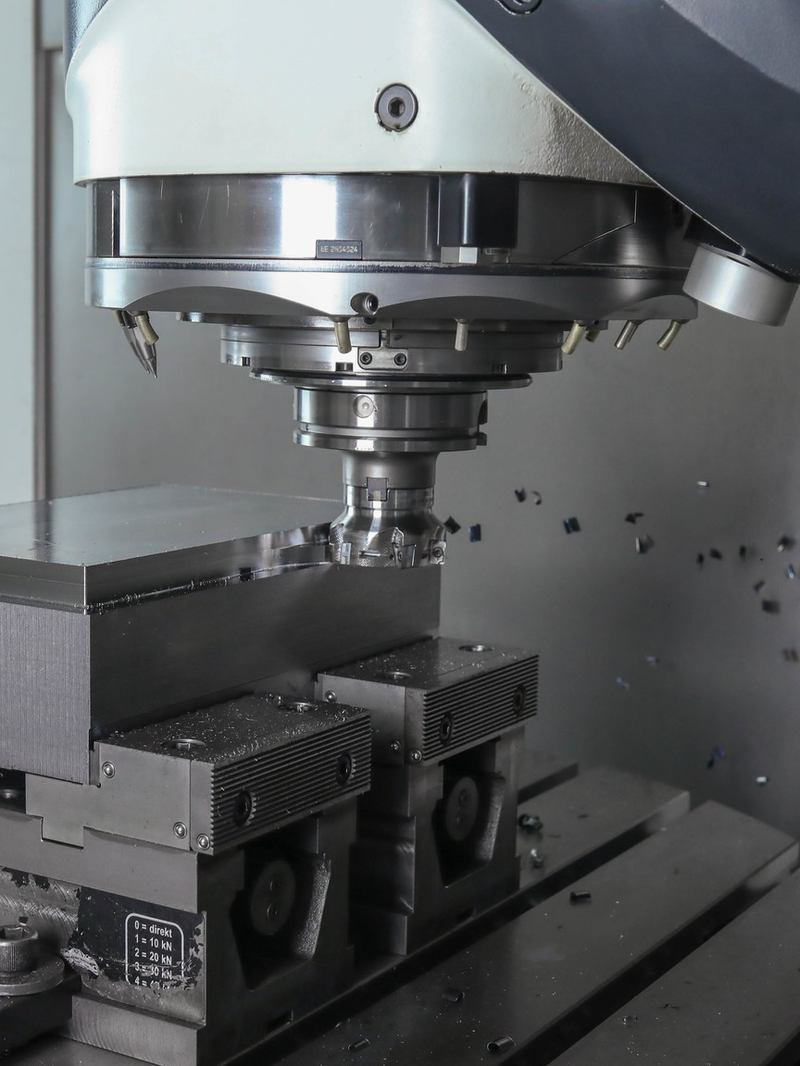
This presentation focuses on the critical aspects of the machinability of stainless steels, a material known for its strength and corrosion resistance but often challenging to machine.
We will explore key factors influencing machinability, effective strategies for optimal cutting performance, and the selection of appropriate tooling and cooling systems.
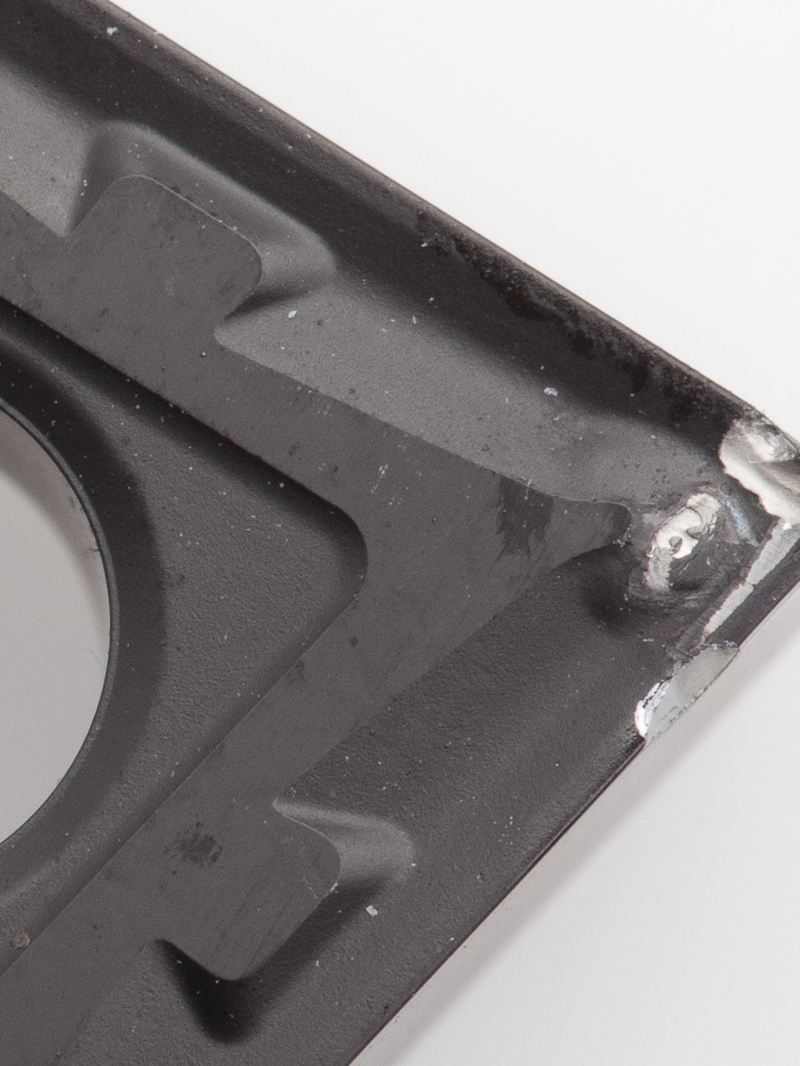
This discussion also addresses common wear types encountered during machining processes and their implications for tool life and product quality. With strategic insights, we aim to enhance production efficiency and economic viability when working with stainless steels in various machining environments.
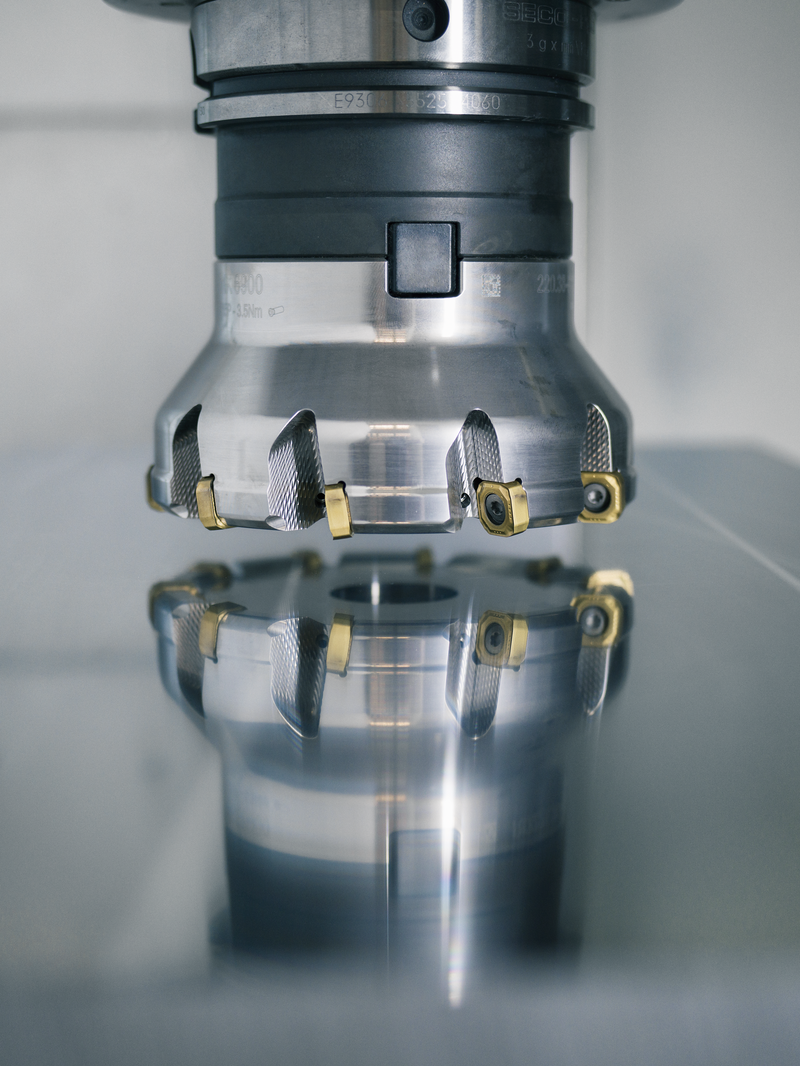
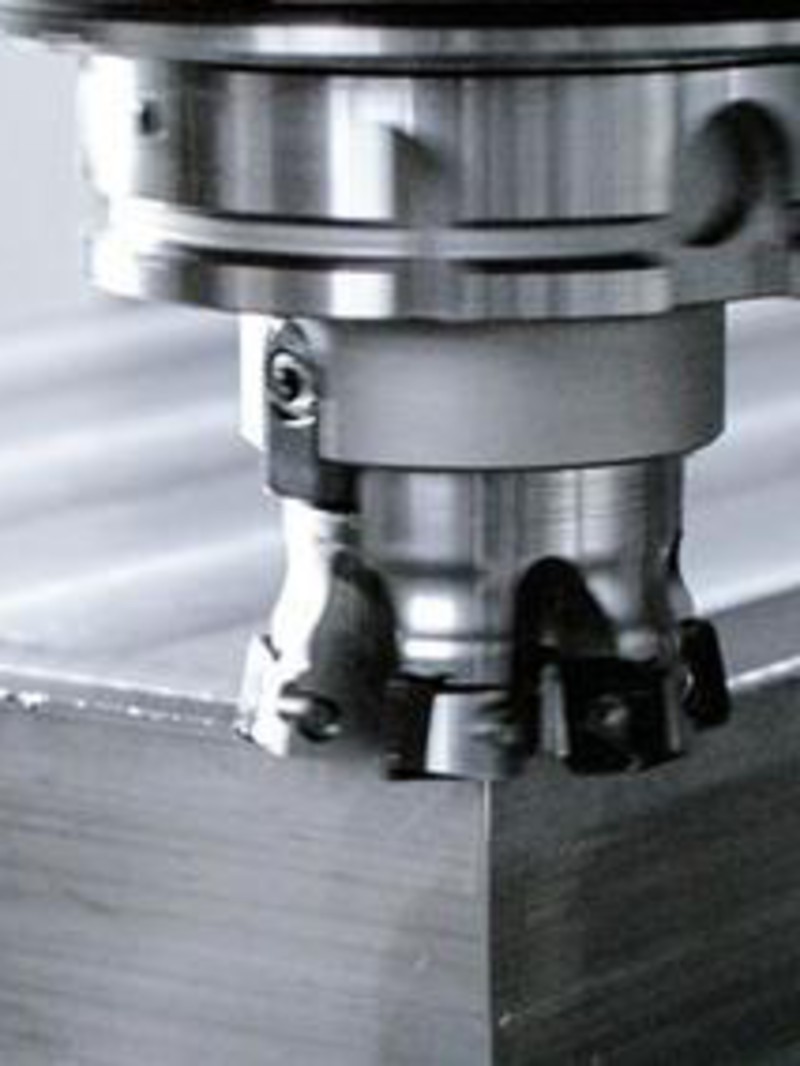
Internal Coolant Turbo 16 Square Shoulder Milling Cutter
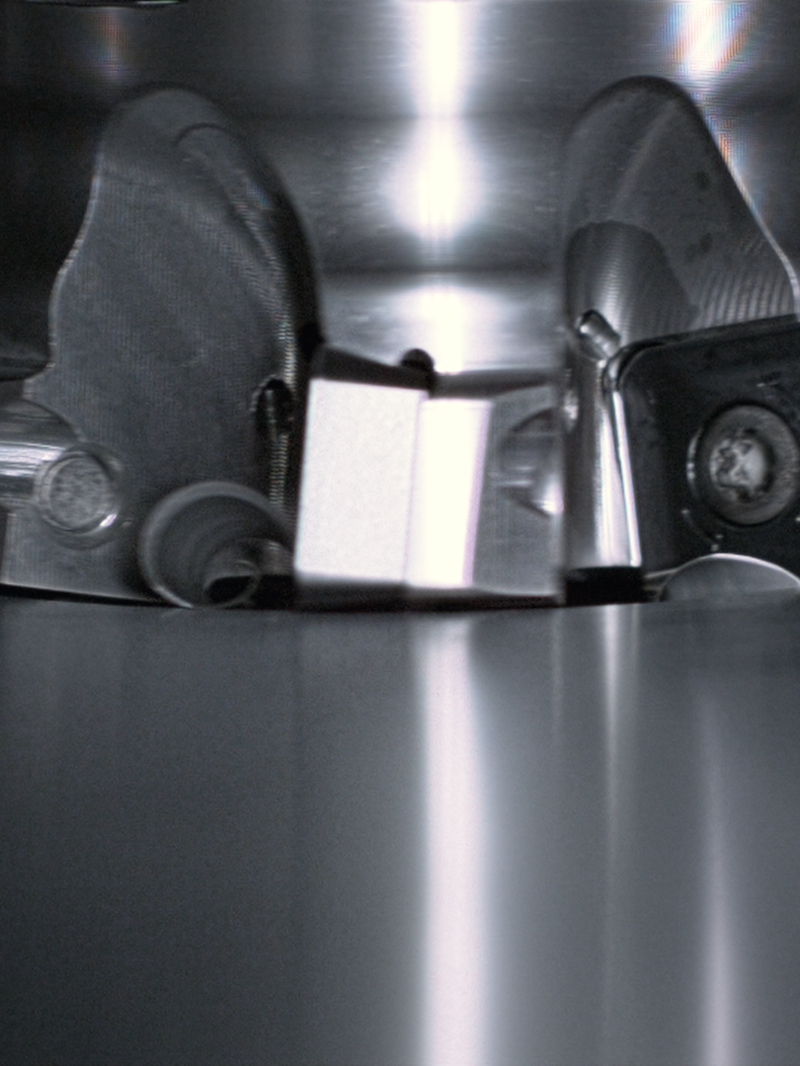
Internal Coolant channels on Turbo 16 Square Shoulder Milling
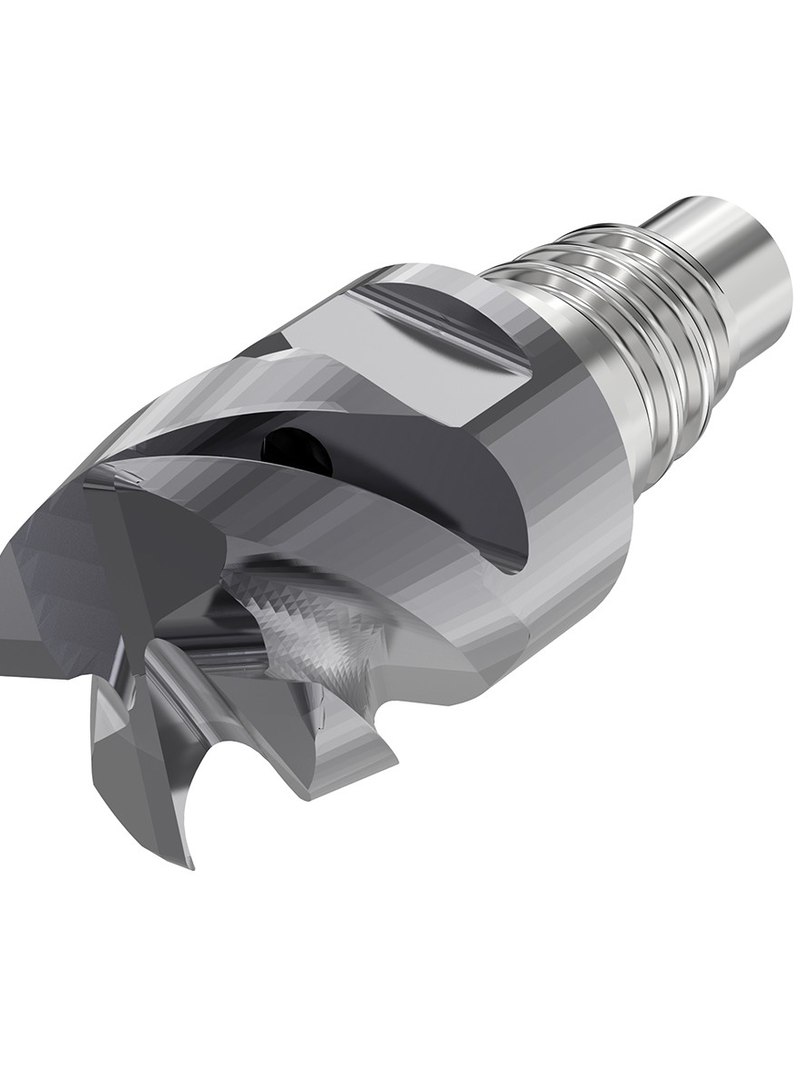
XVE540 - High Performance - Square - Universal - 3-4 Flutes
High Performance Machining X-Head Mills
XSE450 - High Performance - Square - Aluminum - 3 Flutes
High Speed Machining X-Head Mills
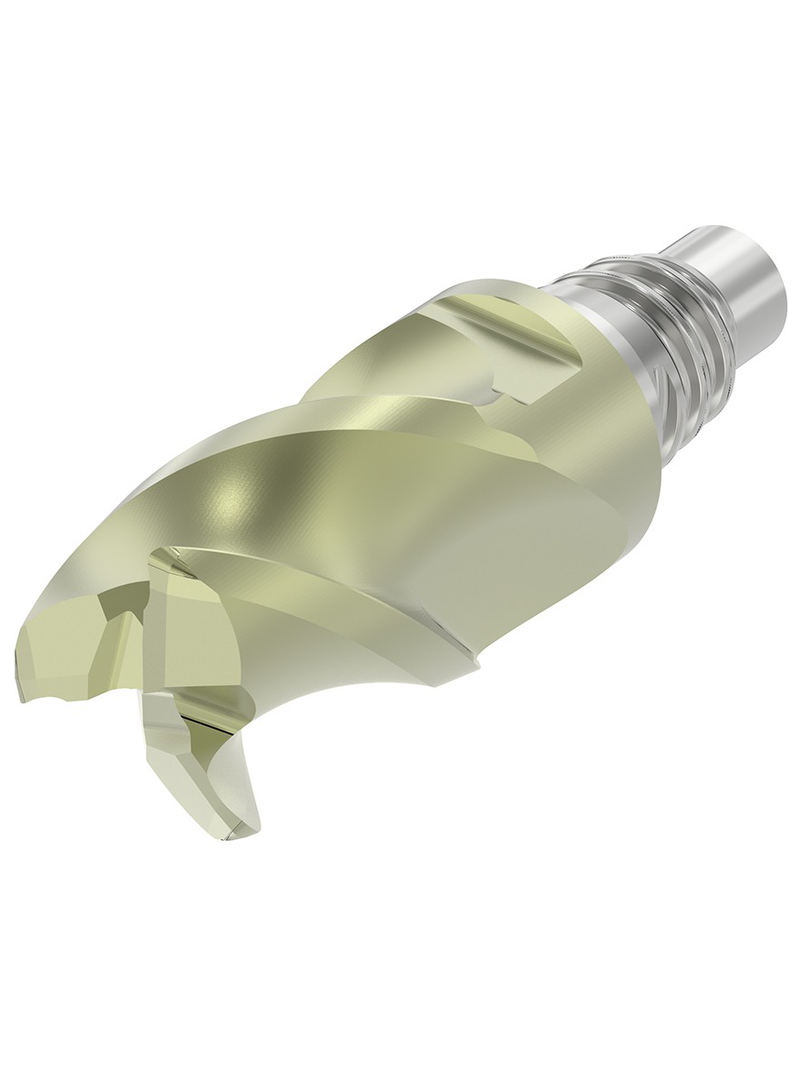
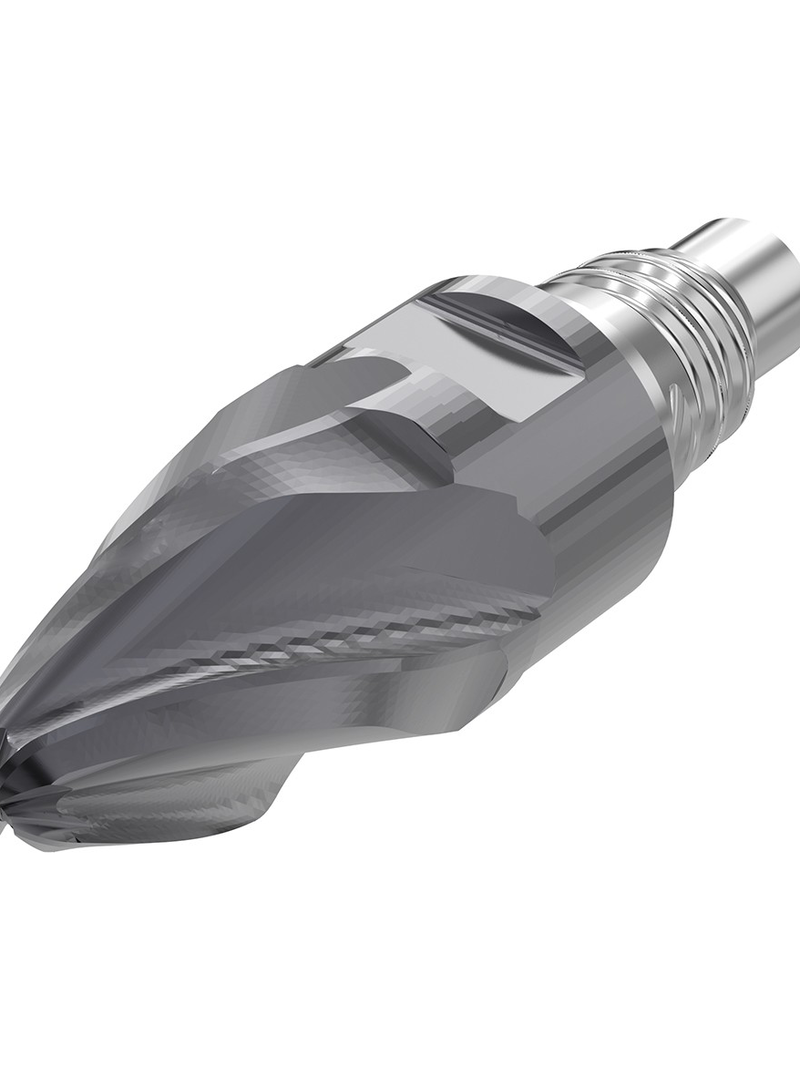
XHT740 - High Speed - Taper Shape - ISO-M and ISO-S - 4-6 Flutes
Turbo 16 - Secure your square shoulder milling operations
What you need to know about chip formation
Tool Wear Patterns in Machining
What is Vibration in Machining and How to Reduce Vibration?
Navigating the complexities of aerospace supply chains
Successful reaming with Nanojet
8 Advantages of High Feed Milling with Indexable Inserts
High Feed vs Conventional Milling: Making the faster choice
11 tool wear patterns when machining with end milling cutters
Get a free My Pages account and start saving time
Digitally match your tool with a holder, saving precious time
From ICE to EV – Why drilling remains at the core of automotive production
Square shoulder milling: principles, applications, and best practices