Circular Manufacturing
For Seco, the future of manufacturing is circular. To preserve our planet’s resources and contribute to a more sustainable future, we need to re-think every aspect of what we do: how we create, retain, and recover value.How Seco is helping close the loop
At Seco, circularity is about rethinking every aspect of what we do – how we create, retain, and recover value to transform manufacturing for a sustainable future. This includes designing for circularity, exploring alternative business models, collaborating with our value chain, optimizing resource and energy use, extending product life, and ensuring efficient resource recovery. By 2030, we aim to achieve 90% circularity in our products, packaging, and waste.
How Seco approaches circular manufacturing
The circularity strategy of Seco is built around six connected principles.
- Circular design: Products are designed to last longer and to be repaired, refurbished or reconditioned whenever possible. Material selection prioritises recycled, recyclable and biobased materials from the earliest design stage.
- Circular packaging: Plastic packaging is being replaced with packaging made from recycled materials to reduce environmental impact.
- Circular production: Manufacturing waste is reused or recycled wherever possible. Carbide is carefully managed throughout production so it remains in circulation instead of being discarded.
- Maximizing product use: Working together with customers helps every cutting tool deliver as much value as possible. Engineering support and process optimisation help improve tool performance and extend tool life.
- Extending product life: Repair, refurbishment and reconditioning allow eligible tools to complete multiple production cycles before their raw materials need to be recovered.
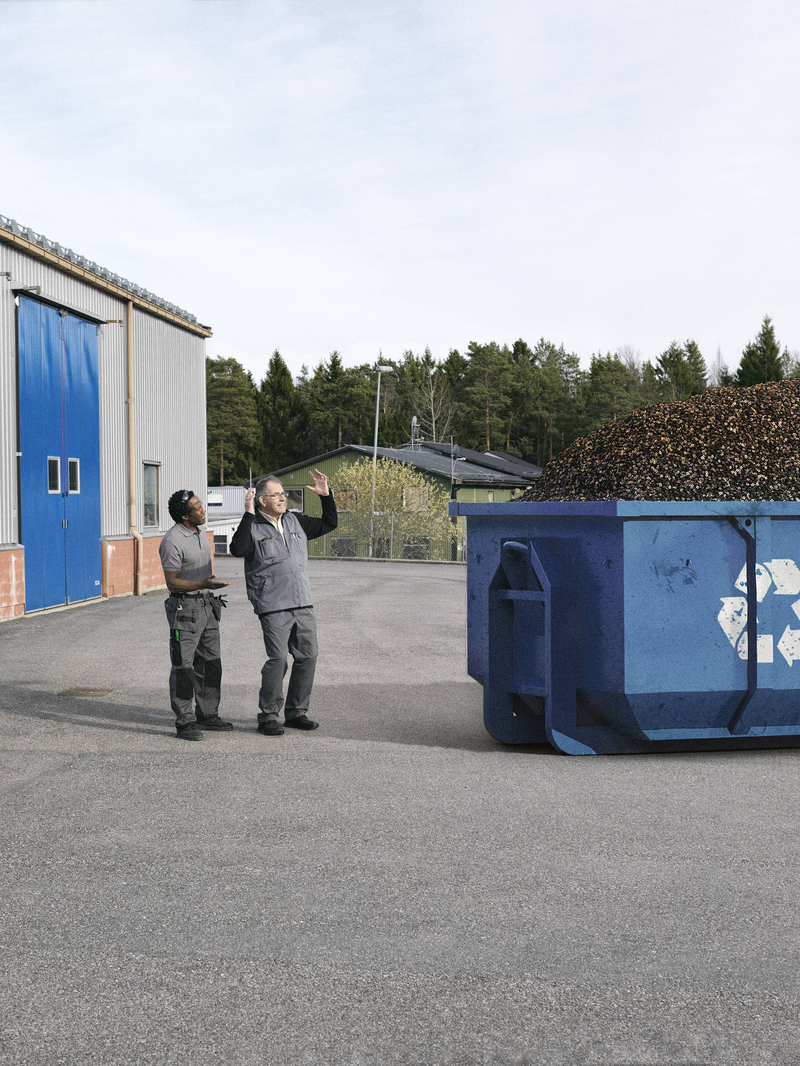
- Resource recovery: When a tool reaches the end of its usable life, the carbide recycling program of Seco recovers valuable raw material so it can be used in new carbide products.
Measuring circularity
Circularity at Seco is measured across three parts of the value chain.
| Area | 2030 target |
| Suppliers | 90% recycled content in purchased steel and carbide |
| Own operations | 90% of operational waste reused or recycled |
| Customers | 90% of sold carbide recovered through the carbide recycling program |
Together, these targets support the ambition of achieving 90% circularity across products, packaging and waste by 2030.
Circularity in practice
Circularity is supported by a range of initiatives across the business.
Regrinding and reconditioning
The reconditioning service of Seco restores eligible solid carbide tools for another production cycle, extending tool life while reducing tooling costs and material waste.
Seco's carbide recycling program
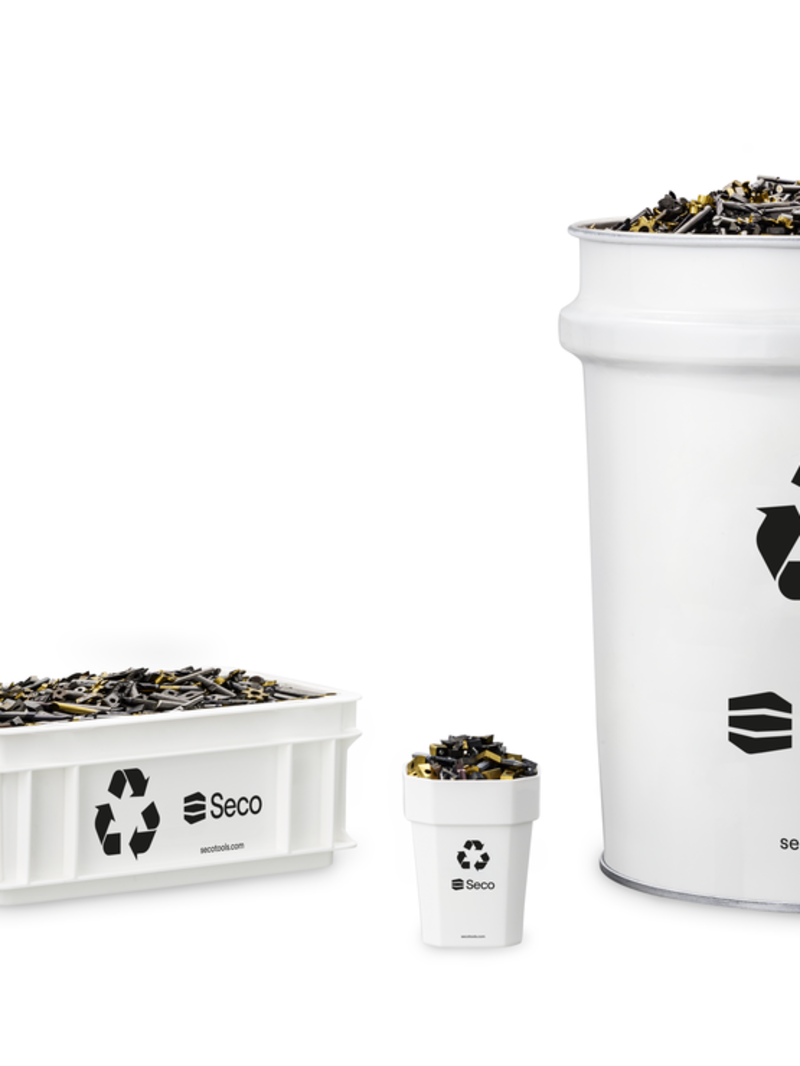
Used carbide tools are collected through the carbide recycling program of Seco and recycled into new carbide products, reducing the need for virgin raw materials.
Sustainable packaging transition
Plastic packaging is being replaced with more sustainable alternatives made from recycled materials.
Traceability
Data Matrix marking improves product traceability, helping manufacturers manage tool life and identify the right time for reconditioning or recycling.
Research and collaboration
Seco contributes to RESQTOOL, an EU funded research project focused on improving hard metal recycling through more resource efficient processes.
Why circular manufacturing matters
A circular approach helps manufacturers reduce waste, make better use of valuable raw materials and extend the life of cutting tools. By combining product design, reconditioning, recycling and resource recovery, manufacturers can lower material consumption while maintaining productivity.
Related services
Bring your carbide tools back into the loop
Carbide contains valuable raw materials that can be recovered and used again. By returning worn carbide tools through Seco’s carbide recycling program, you can help keep valuable materials in circulation and reduce the need for virgin raw materials.
Discover Seco’s carbide recycling program and learn how to return your used carbide tools.
Inline Content - Gridded Links
Tags: '3d465f18-c101-51c0-9e9f-098951ac6908', '243b2732-f65e-57f8-987d-1dec0e37d302', '9453a378-a853-56d8-95d1-0e4dd6c3911e', '2d12d561-0fc2-5a13-8b99-8b39b102366f'
Our carbide products consist of rare and valuable raw materials. By recycling them, you bring them back into the loop. Discover Seco’s recycling program.
Seco is moving towards a sustainable future and switching to recyclable packages.
Read more in the press release.
Circularity enablers
Collaboration in value chain: For Seco, using more recycling material is a key step to lower emissions associated with our company and products, as well as accelerating circularity in the manufacturing industry.
Seco is contributing to the EU project RESQTOOL – an EU funded project on developing process and equipment for recycling of hard metals using sustainable embedment of energy, resource, and water efficiency aspects with a zero-waste approach.
Traceability of our products and materials throughout the manufacturing value chain is crucial for realizing our circularity ambitions. Traceability is an important enabler to reduce underutilized tool capacity and maximize tool life. It helps us and our customers make the right decision at the right time, for example, regarding what cutting data to use or when it’s time for reconditioning.
The Seco Data Matrix is a significant step towards increased traceability and transparency of our products and associated raw materials. With the individual marking, we can enable smarter use of our products and recycle more efficiently in the future.