Square shoulder milling: principles, applications, and best practices
Square shoulder milling explained: tools, strategies, and how a square end mill or 90 degree milling cutter delivers accurate shoulders and flat surfaces, keeping everything else on track. When the cutter, geometry, and strategy all work together, you get stable cuts, predictable tool life, and surfaces you can trust. Find out how the right tool makes it all easier.Square shoulder milling is one of those machining operations that quietly does a lot of heavy lifting. It’s the go-to method for creating 90 degree walls and flat surfaces in a single pass and it shows up everywhere, from roughing to finishing.
You’ll find square shoulder milling across aerospace, automotive, and general engineering, wherever accuracy and repeatability matter. Get it right, and everything that follows becomes easier. Get it wrong, and problems tend to stack up fast.
What is square shoulder milling?
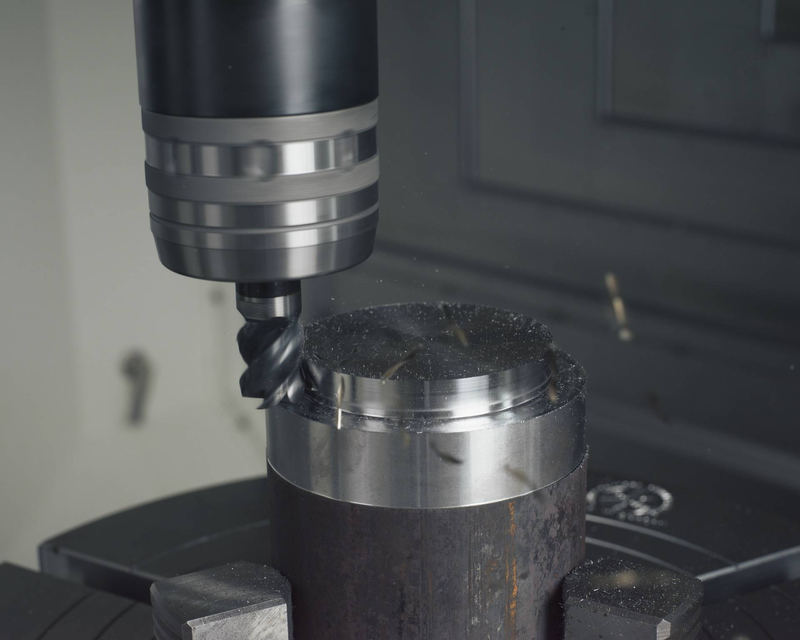
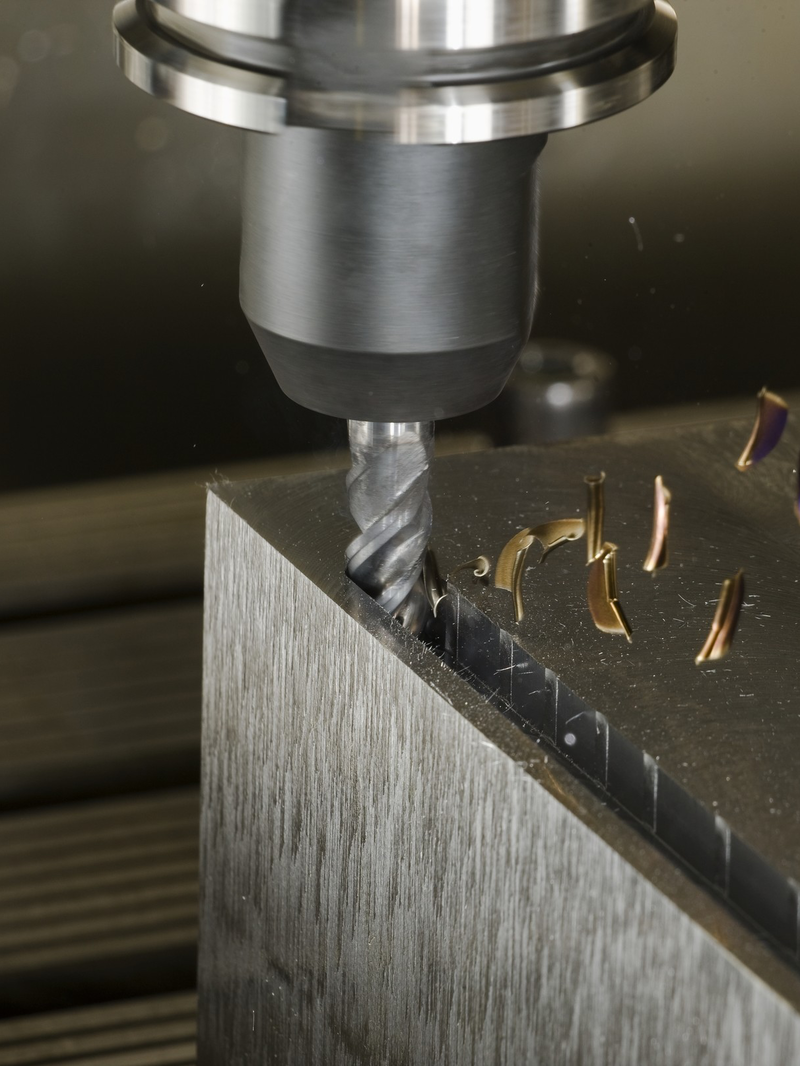
At its core, square shoulder milling is all about creating a straight shoulder, where a horizontal surface meets a vertical wall. The cutter works with both its face and side, machining two surfaces at the same time.
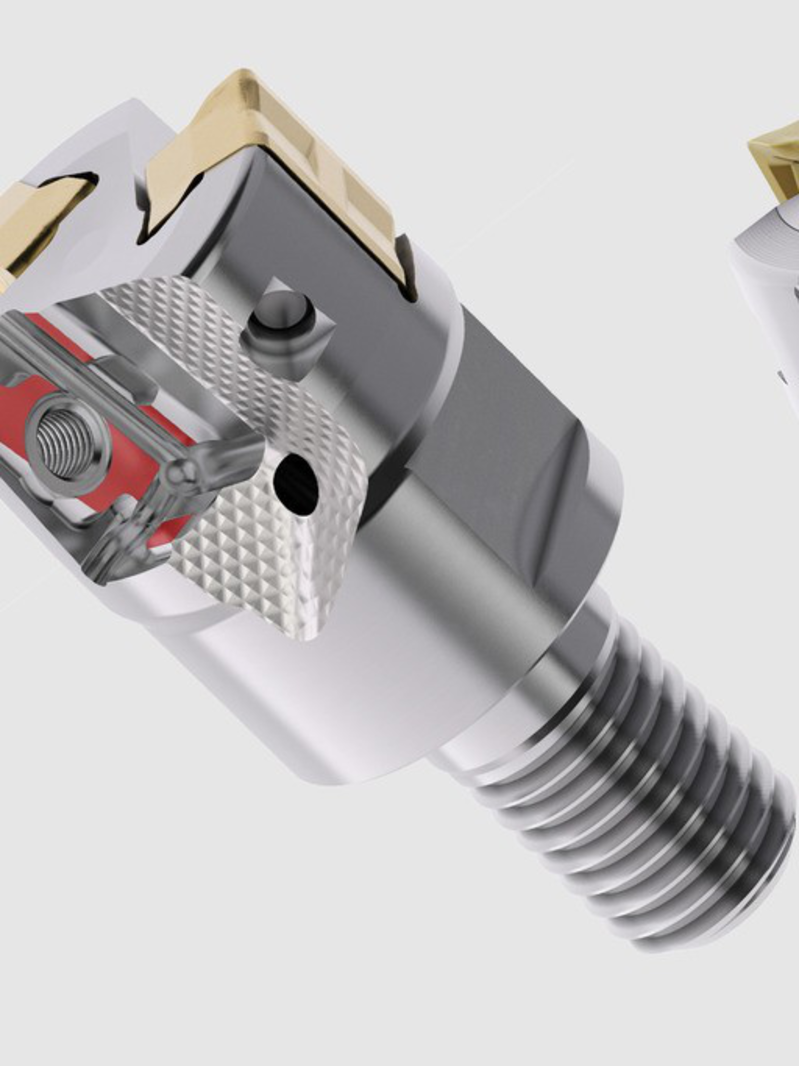
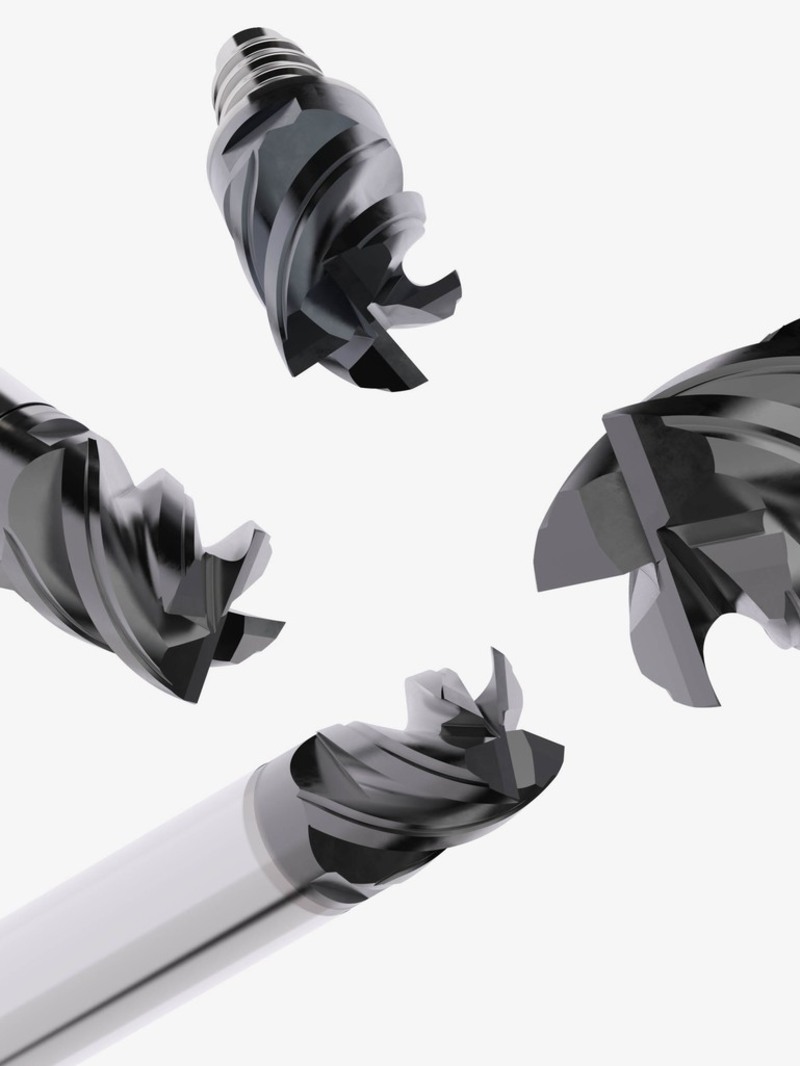
Depending on the application, this can be done using square shoulder cutters, helical milling cutters, end mills or square end mills. What they all have in common is a 90° lead angle, which makes it possible to produce well defined and accurate sidewalls with confidence.
Of course, modern square shoulder milling isn’t just about hitting a right angle. Stability, predictable tool life, and controlled cutting forces all play a big role, especially when materials get tougher or setups get less forgiving, but we’ll come back to that later.
Did you know?
A 90° lead angle creates well defined shoulders, but it also increases cutting forces, which is why insert edge geometry, edge prep and cutting strategy matter so much in square shoulder milling.
Why does square shoulder milling matter?
A square shoulder milling cutter is often used to create functional features like seating faces, reference edges, or interfaces between components. If those surfaces aren’t flat, perpendicular, and consistent, problems can quickly show up later in the process.
In many jobs, square shoulder milling either defines the geometry early on or locks in accuracy at the finishing stage. When it’s done well, it reduces the need for secondary operations, cuts down on rework, and helps keep quality predictable.
In short, it’s not just about removing material. It’s about creating geometry you can rely on.
What are the core functions of square shoulder milling?
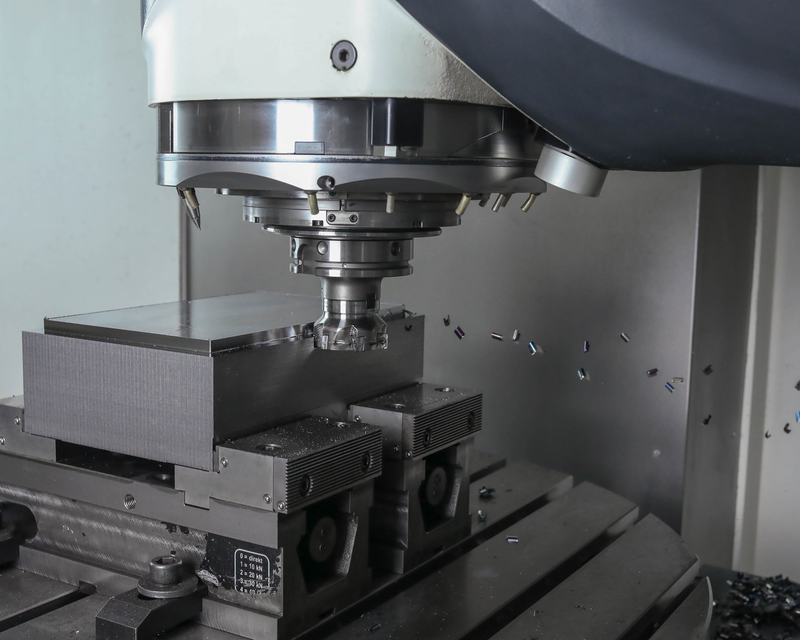
1: Creating accurate 90 degree shoulders
This is the classic role of square shoulder milling: producing clean, straight shoulders where vertical and horizontal surfaces meet.
Typical uses include:
- Slotting, side milling and rough milling
- Machining seating surfaces
- Creating steps and ledges
- Producing reference edges for assembly
Because a 90 degree shoulder can often be achieved in a single pass, square shoulder milling is both precise and efficient for roughing or finishing applications.
2: Machining two surfaces at once
One of the big advantages of square shoulder milling is that it machines the face and the side wall simultaneously.
That brings a few clear benefits:
- Higher productivity
- Improved machining efficiency
- Better alignment between surfaces
Since both faces are created in the same operation, there’s less risk of mismatch or alignment errors compared to separate milling passes.
3: Handling a wide range of applications
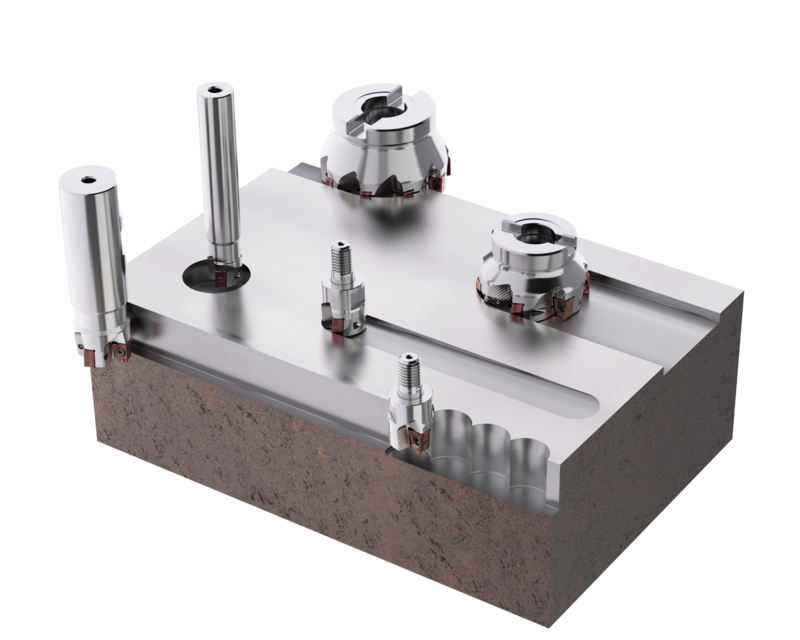
Square shoulder milling isn’t a one-trick operation. It’s commonly used for:
- Roughing and semi-finishing
- Slotting and pocketing
- Ramp and contour milling
- Machining close to vertical walls
This flexibility makes it a practical choice when shops want to cover multiple operations with fewer tools and simpler setups.
Did you know?
Square shoulder cutters are often used instead of face mills when access is tight, or when machining close to vertical walls where a face mill simply won’t fit.
What affects performance in square shoulder milling?
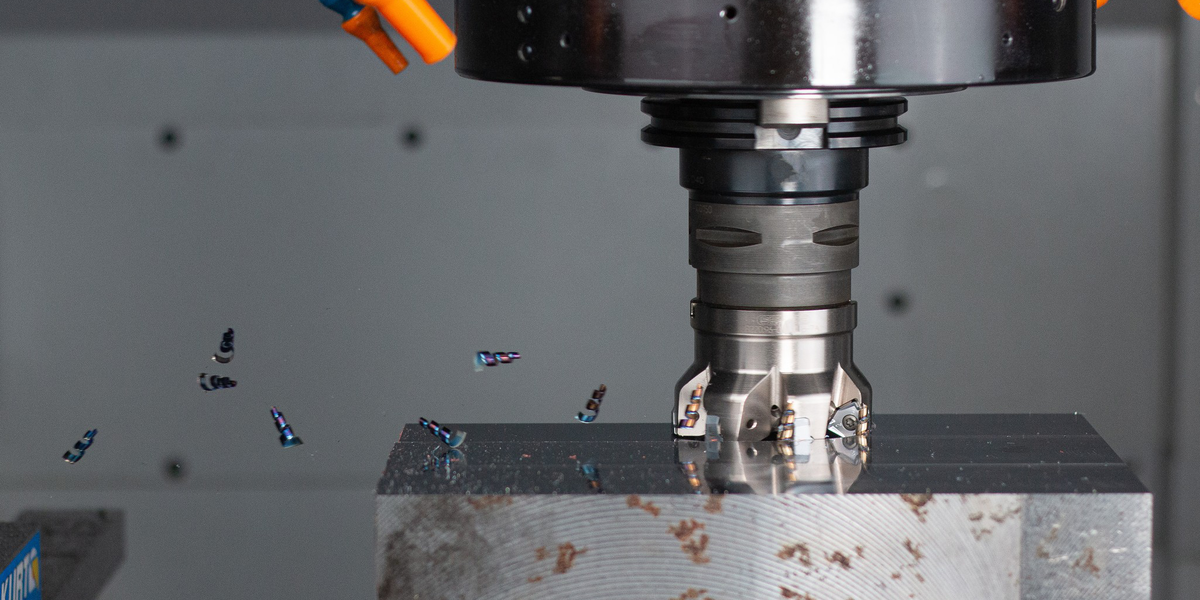
A few key factors make a big difference in how well a square shoulder milling operation performs:
- Lead angle: With a 90° lead angle, square shoulder mills generate higher radial cutting forces than face mills, placing greater demands on machine and setup rigidity.
- Tool geometry and grade: Insert geometry, edge prep, and grade need to match both the application and the workpiece material.
- Cutting parameters: Cutting speed, feed rate, depth of cut, and engagement all influence stability and tool life.
- Machine and setup rigidity: With higher forces at play, solid fixturing and a stable machine setup are essential.
Getting the balance right helps deliver consistent surface quality and predictable tool life without surprises.
ISO material groups: one operation, many behaviors
Square shoulder milling is commonly applied across the main ISO material groups:
- ISO P (steels):
Often the most common application. Steels generate high cutting forces, especially with a 90° lead angle, making edge toughness and process stability critical.
- ISO M (stainless steels):
Tougher and more prone to work hardening, stainless steels demand controlled cutting action and reliable chip formation to avoid heat buildup and unpredictable tool wear.
- ISO K (cast irons):
Generally more stable to machine, but abrasive. Here, wear resistance and edge security are often more important than cutting force control.
Although the square shoulder milling concept remains unchanged, different insert geometries, insert grade, and cutting parameters are recommended to match the behavior of each ISO material group.
What about advanced materials?
As industries continue to push into harder, lighter, and more heat resistant materials, square shoulder milling is increasingly applied in advanced material applications.
For example:
- ISO H (Hardened steels)
Require cutting edges that can maintain strength and accuracy under high loads.
- ISO S (Heat resistant superalloys)
Place heavy demands on thermal resistance and edge stability.
- ISO N (Non‑ferrous materials)
Often call for sharper cutting edges and optimized surface generation.
In these cases, advanced cutting materials, such as PCBN, PCD, or ceramics, can play a role in extending tool life, increasing cutting speeds, and improving process reliability when used in the right applications.
Cutting strategy considerations for square shoulder milling
Square shoulder milling generates higher and more directional cutting forces compared with face milling. So how the tool enters the material matters. A smooth, controlled entry helps avoid sudden spikes in load, and keeping the engagement consistent through the cut goes a long way toward steadier wear, better surface quality, and fewer surprises.
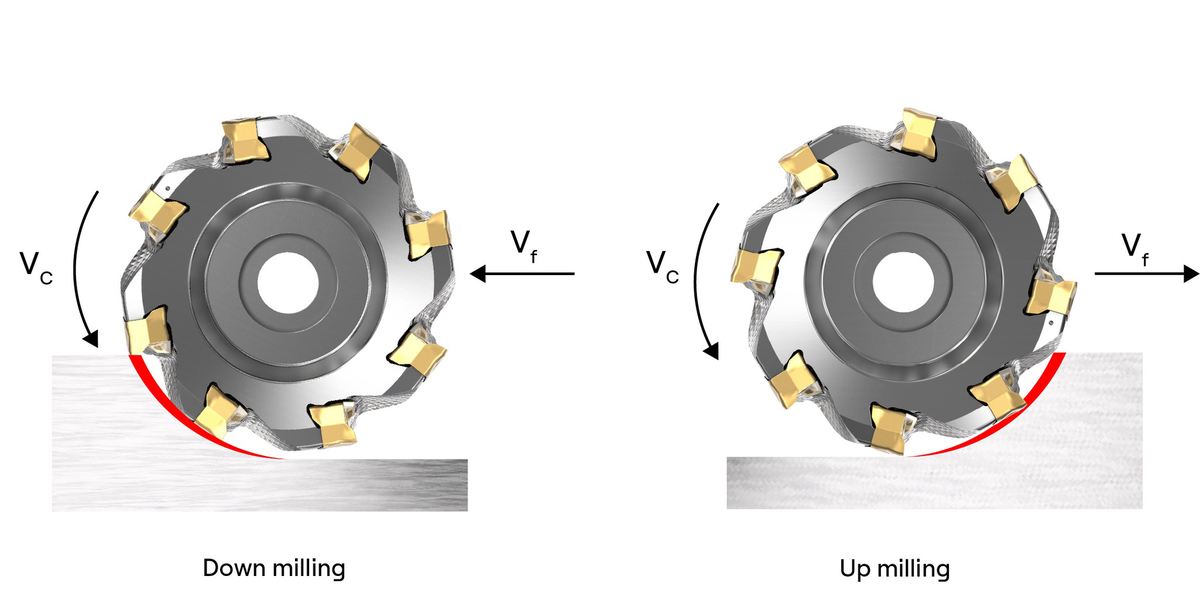
Make down milling your go-to choice
Cutting direction plays its part too. In many square shoulder milling jobs, down milling (or climb milling) is the go-to choice. It helps maintain more consistent chip thickness and reduces rubbing at the cutting edge, which usually results in cleaner surfaces and more predictable tool life, assuming the machine and fixturing are solid enough to handle the forces.
Look for that perfect chip
Chip formation is another area where small adjustments can make a big difference. With a shoulder mill, feeds that are too light can generate heat and shorten tool life, while overly aggressive feeds can overload the edge. The aim is to achieve a stable, well-formed chip that efficiently evacuates heat and maintains a consistent cutting process.
How to reduce vibration when milling at a 90 degree angle
Finally, there’s vibration. Square shoulder milling benefits from rigid setups, secure work-holding, and cutter designs suited to the job, including the right insert geometry and pitch. When everything works together, the process becomes far more forgiving. Expect straight walls, flat surfaces, and consistent results, pass after pass.
Getting the most out of square shoulder milling
Square shoulder milling has earned its place as a core machining operation for good reason. It brings together precision, productivity, and versatility in a way few milling methods can.
With the right cutter, a sensible strategy, and well chosen cutting data, it allows manufacturers to machine accurate shoulders, flat surfaces, and clean transitions with confidence, even as materials get tougher and tolerances get tighter.
And when that foundation is solid, everything else in the process tends to fall into place.
Don't miss our square shoulder video series
Fill in the form below for early access to our video series about square shoulder milling. Listen to experts talk about getting started, challenges, and tips and tricks.
As soon as we release a new video, you will be the first to receive it.
Inline Content - Sugar Form
Sugar Form url - https://info.secotools.com/acton/fs/blocks/showLandingPage/a/45194/p/p-0160/t/page/fm/0
Frame height - 430 px