Solid, exchangeable and indexable milling: How to choose the right milling cutter
Discover how to choose the right milling cutter for your operation with insights into solid, exchangeable, and indexable milling systems. Learn about their benefits, applications, and how tool choice impacts productivity, cost efficiency, and carbide recycling. Optimize machining performance and lifecycle value with practical guidance.Choosing the right milling cutter isn’t as simple as solid versus indexable anymore. Today’s manufacturers also have access to exchangeable (modular) milling systems that sit neatly in between and offer a smart balance of performance, flexibility and cost control. Understanding when to use each concept can significantly impact productivity, tool life and cost per part.
With rising material costs and increasing focus on resource efficiency, tool choice also affects what happens after the cutting edge is worn. Productivity, tool life, downtime, and cost per part all matter but so does how efficiently carbide is used, re-used and recycled.
This guide compares solid end milling, exchangeable milling, and indexable milling, using real application logic drawn from the Seco milling portfolio to help you select the right tool for your operation.
Milling cutter types: A quick overview
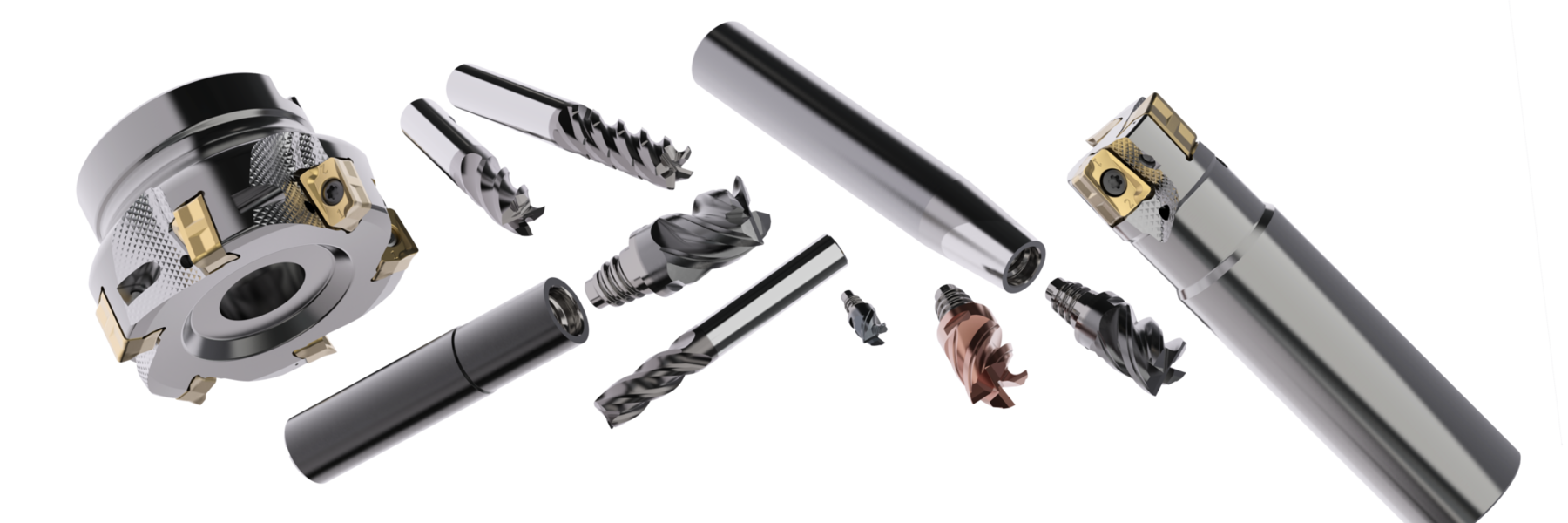
Modern milling cutters generally fall into three main categories, each designed to address different machining priorities.
![]()
Solid milling cutters
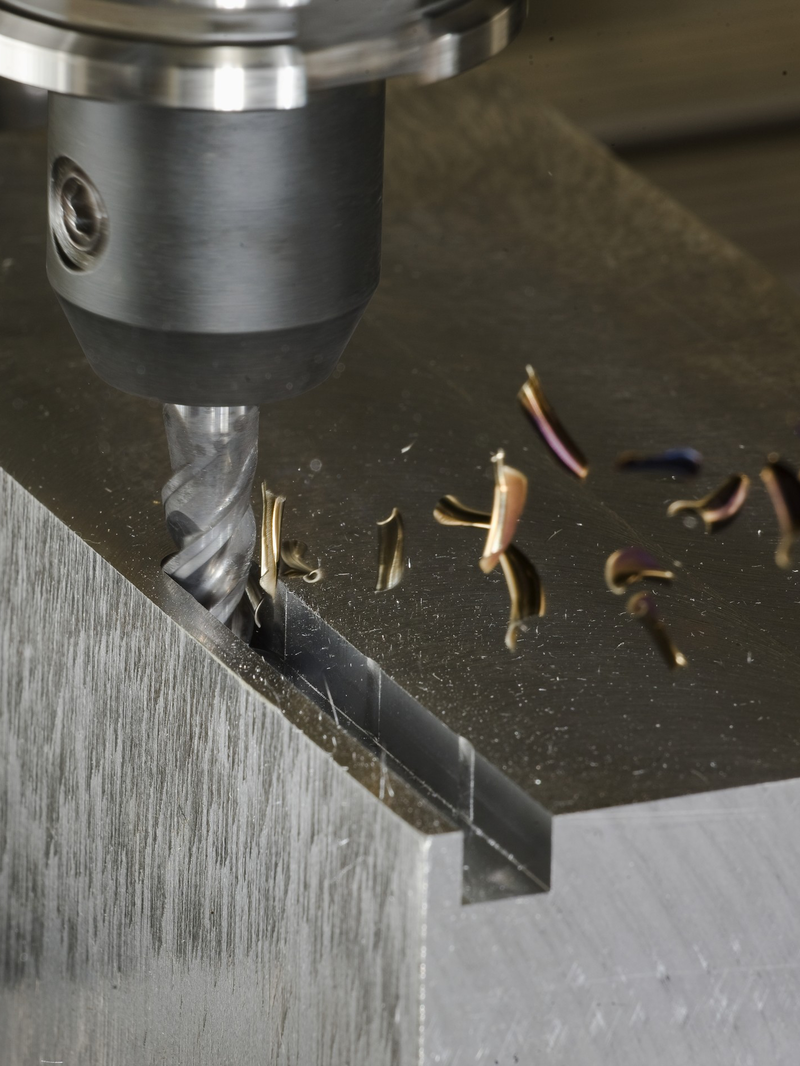
Solid end mills are manufactured from a single piece of material, typically solid carbide or High-Speed Steel Cobalt ( HSS‑Co). With no interfaces between components, they deliver maximum rigidity and accuracy and are widely used for finishing, small diameters and complex geometries.
Solid End Mills | Seco Tools
Exchangeable (modular) milling cutters
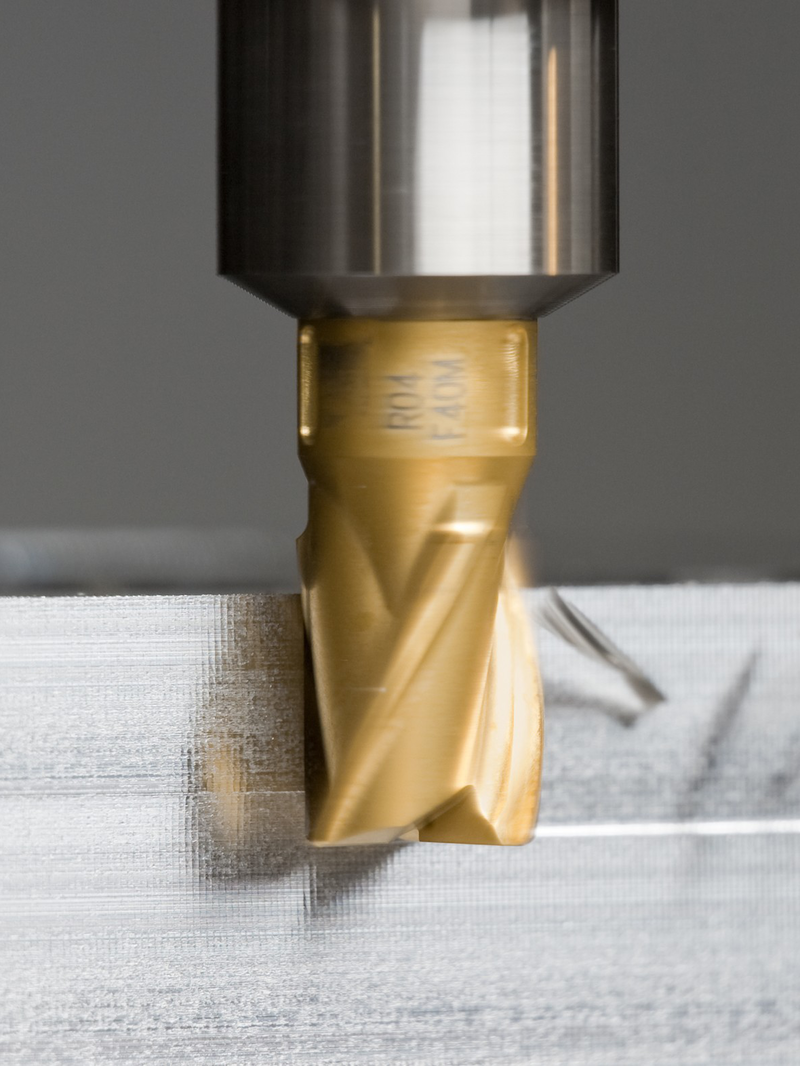
Exchangeable milling cutters use a reusable shank combined with a replaceable cutting head. This design offers solid‑tool performance with lower running costs, faster tool changes and reduced inventory.
Exchangeable Head Mills | Seco Tools
Indexable milling cutters
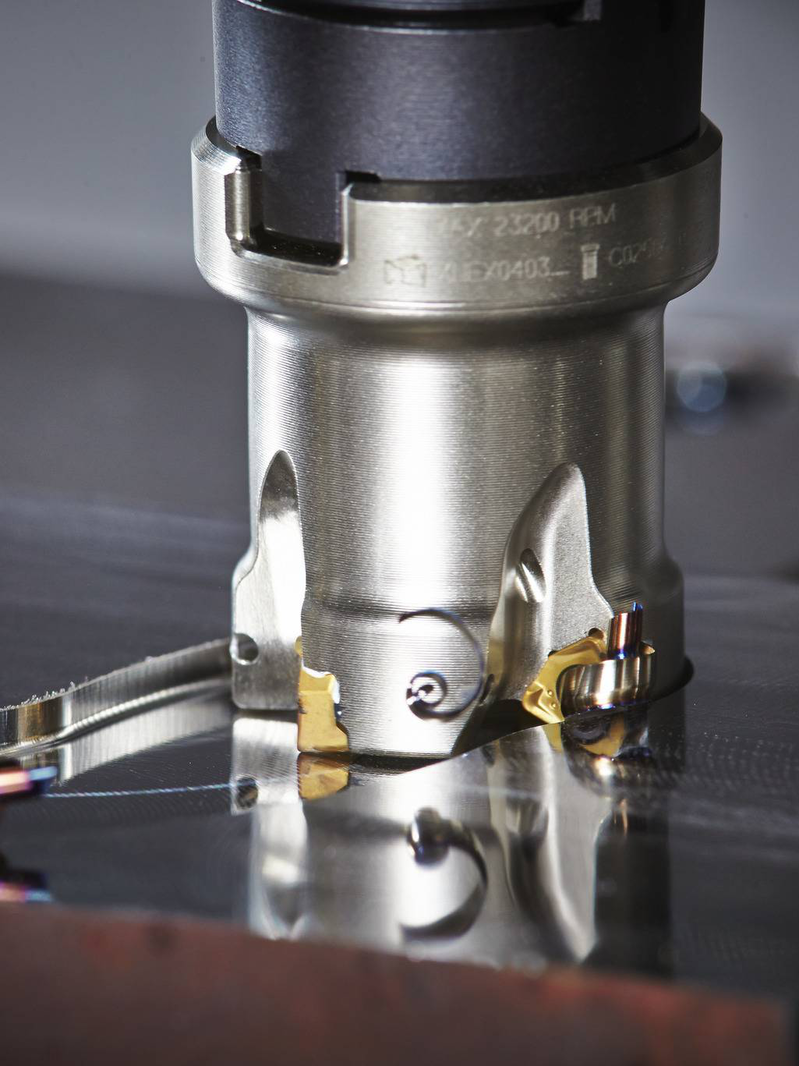
Indexable milling cutters feature a cutter body fitted with replaceable inserts. They are designed for high material removal rates, productivity and cost efficiency in medium‑to‑large diameter applications.
Milling Cutters | Seco Tools
Solid milling cutters
What is solid milling?
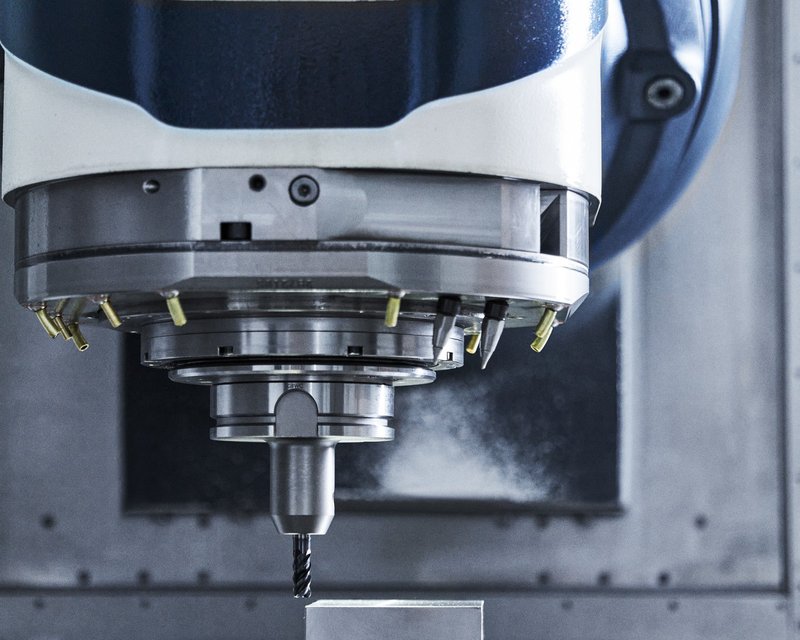
Solid milling uses one‑piece cutting tools where the cutting edges are ground directly into a solid carbide blank. The Seco portfolio includes solid carbide, ceramic and PCD end mills tailored for everything from aluminum to HRSA and hardened steels.
Key strengths of solid milling include:
- High rigidity and accuracy, ideal for tight tolerances
- Excellent surface finish, especially in finishing operations
- Small diameter capability (up to 0,1mm) for fine features and complex contours
When a solid tool wears, it is either replaced or reconditioned. Many solid carbide tools can be reground several times, extending tool life before the carbide is finally recycled. Through the carbide recycling and buyback program at Seco, worn tools are collected and returned into the material loop, recovering valuable carbide rather than letting it go to waste.
Typical diameter range
Solid end mills cover widest small‑diameter range, from micro end mills starting at 0.1 mm up to 25–32 mm for larger solid tools.
When to choose solid milling
Solid end mills are the right choice when:
- Tight tolerances and surface finish are critical
- High Metal Removal Rate (MRR) is needed
- Features are small or geometrically complex
- Machine rigidity or power is limited
Seco solid end mills offer geometries and coatings optimized for specific materials, from aluminum to exotic alloys, making them a cornerstone of precision milling.
Exchangeable (modular) milling cutters
What is exchangeable (modular) milling?
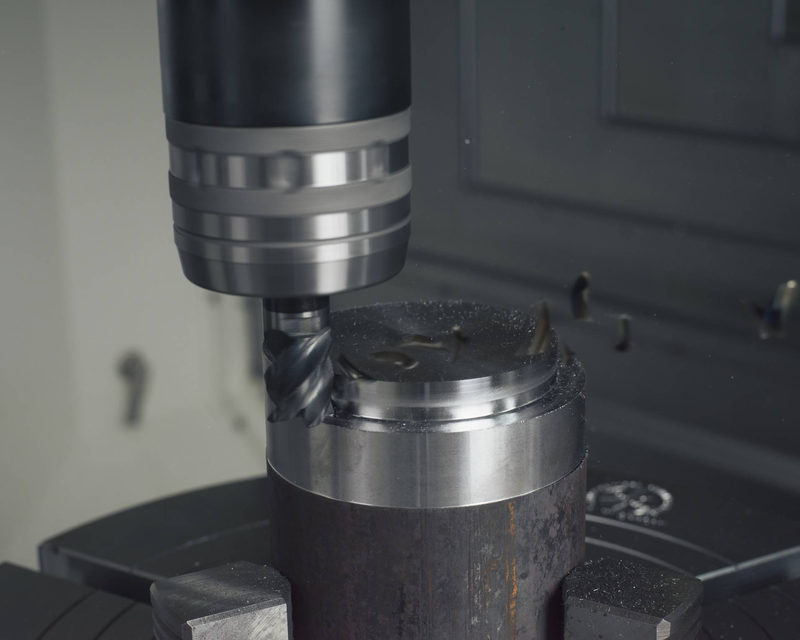
Exchangeable milling combines a permanent toolholder with a replaceable cutting head. Instead of scrapping or regrinding the entire tool, only the cutting head is replaced.
Exchangeable end mill systems are designed to deliver performance close to a solid tool, while significantly improving efficiency. The secure interface allows the holder to stay in the machine, enabling quick head changes with predictable accuracy and no need to reset tool length.
Typical benefits include:
- Solid‑tool‑like performance with lower operating cost
- Quick changeovers without resetting the tool length
- Reduced tool inventory across multiple geometries and materials
- Applications with long overhangs or deep pockets
From a lifecycle perspective, exchangeable milling also uses less carbide per replacement, for example, when comparing a standard 16mm diameter, 4-flute, solid end mill with an equivalent exchangeable head solution (mounted on a reusable shank), the carbide weight is reduced by 73%. Only the worn cutting head is changed, while the holder remains in service longer, helping reduce material consumption and simplify recycling at end of life.
Typical diameter range
Exchangeable milling systems generally cover diameters from 10 mm to 25 mm, bridging the gap between solid and indexable solutions.
When to choose exchangeable milling
Exchangeable milling is ideal when:
- You want solid‑tool performance with lower replacement cost
- Fast changeovers without resetting are important (high-mix low-volume production)
- Tool inventory needs to stay lean
Exchangeable head systems allow one holder to support multiple cutting heads, making it easier to switch between roughing and finishing while reducing both downtime and material usage.
Indexable milling cutters
What is indexable milling?
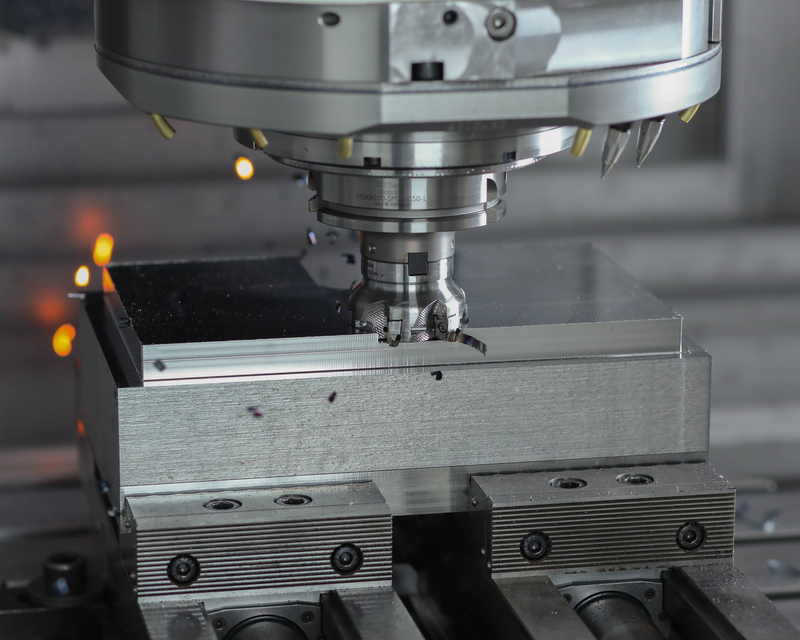
Indexable milling uses replaceable carbide inserts mounted in a steel cutter body. When an edge wears, the insert is indexed or replaced, keeping the cutter body in service.
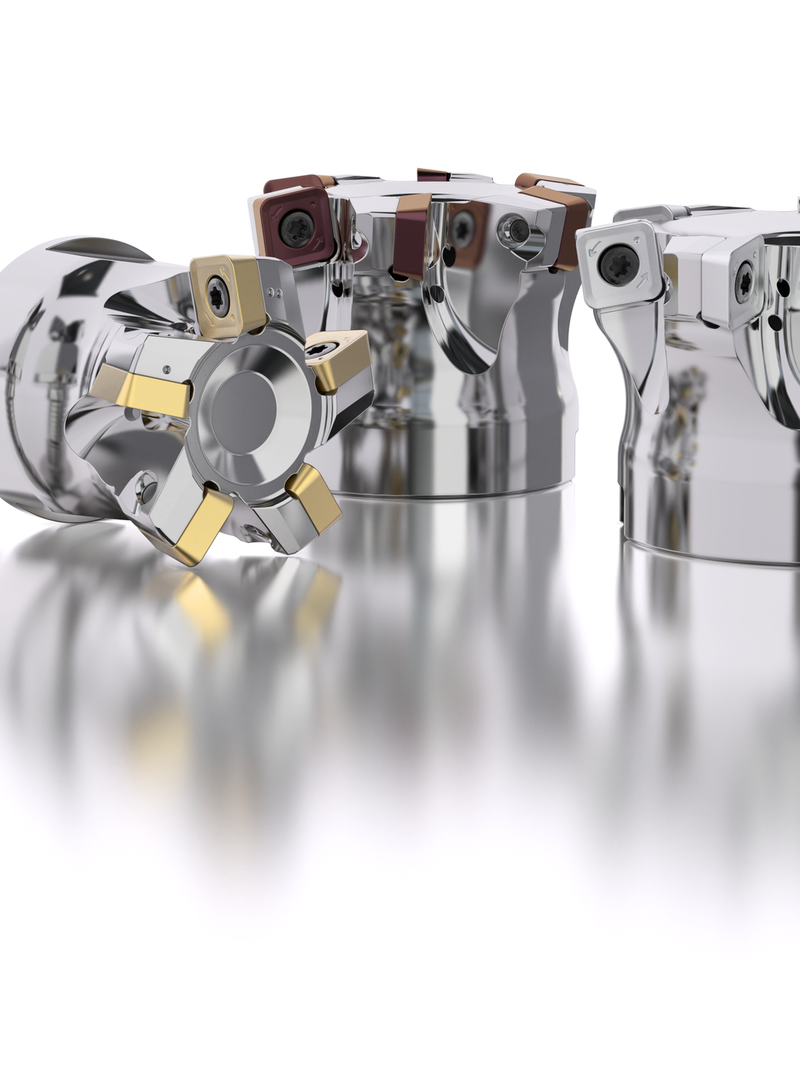
The indexable milling range from Seco covers square shoulder mills, face mills, disc mills, high‑feed mills and more, designed to balance productivity, performance and cost efficiency.
Indexable milling is especially effective for:
- High material removal rates
- Medium‑to‑large diameters
- Long production runs where cost per edge matters
Because inserts are small and standardized, indexable systems also make carbide recycling straightforward. Used inserts can be returned through the buyback program, ensuring valuable carbide is recovered and reused in new tooling.
Typical diameter range
Indexable cutters typically start at around 10 mm, extending to 315 mm, and in specific applications can reach up to 500 mm in diameter.
When to choose indexable milling
Indexable milling excels when:
- Maximum material removal rate is the priority
- Part sizes and cutters are larger
- Production volumes justify insert economics
By replacing only worn edges and recycling used inserts, indexable milling helps keep cost per part, and carbide consumption, under control.
How tool choice affects cost per part
The purchase price of a tool is only one part of the equation. Setup time, tool life, scrap risk and machine uptime all influence the true cost per part.
- Solid tools deliver maximum accuracy but come with higher replacement and regrinding costs
- Exchangeable systems reduce change time and material waste
- Indexable tools minimize edge cost and simplify recycling in high-volume production
Choosing the right milling concept helps align performance, cost efficiency, and responsible use of carbide.
Final takeaway: Choosing the right milling concept
![]()
There is no single “best” milling cutter. The best choice depends on accuracy requirements, productivity targets, machine capability and cost strategy.
By understanding the strengths of solid, exchangeable, and indexable milling, and by considering tool life, regrinding, and carbide recycling, you can optimize not only machining performance, but also the full lifecycle value of your tooling.
Sticking to familiar tooling is common, but selecting the most appropriate milling concept for each application can have a major impact on productivity, cost efficiency, and overall machining performance.