How to select the right square shoulder milling solution?
Choosing the right square shoulder milling solution starts with understanding the full machining context.
The material, machine capability, application type, component requirements and production priorities all influence the best choice.
A customer focused on cost efficiency may need a different solution from one prioritising surface finish, versatility, tool life, or process security.
Application-related features such as depth of cut, corner radius, cutting length, and cutter geometry also need to be considered before selecting the most suitable square shoulder milling cutter.
In this blog, we’ll explain how to best approach square shoulder milling tool selection, showing example with our product ranges, in the most practical way for your requirements.
Step 1: Start with the material.
The first question is simple: what material are you machining?

Material affects grade, geometry, cutting data, and chip control.
A tool that performs well in steel may not be the best choice for aluminum, stainless steel, titanium, or heat-resistant superalloys.
Some materials require sharper cutting geometries to reduce heat and cutting forces. Others require stronger edges to handle tougher machining conditions.
It is also important to decide whether the customer needs a material-specific solution or a more versatile tool.
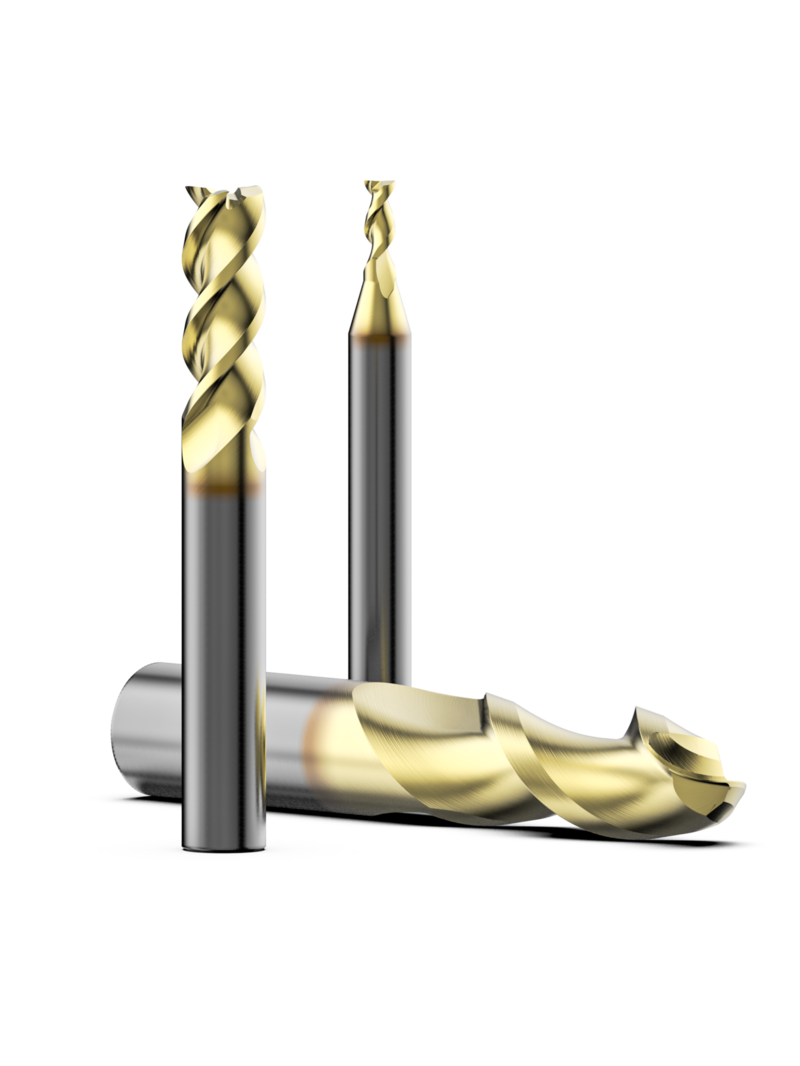
A dedicated aluminium milling cutter or end mills is often the go-to solution for high-speed aluminium machining. The indexable cutters range from Seco offers an aluminium mills specific for this material.
Also, as solid end mills the ST450, S450, S465, HP490, and S490 ranges featuring dedicated coatings and geometry for N materials are optimized for aluminium machining.
Meanwhile, a versatile square shoulder milling cutter, such as the Turbo range, is well suited for machining across a wide range of materials. For solid milling, the JS550 series offers a strong alternative, with the XSE550 providing a comparable solution in the exchangeable head offering.
If you want to know more about materials and machinability:
Inline Content - Gridded Links
Tags: 'f63365aa-75ef-51f5-b3d7-d32e8883cbf0'
Step 2: Understand the machine.

Machine capability should be assessed before selecting a cutter.
Consider power, torque, spindle speed, rigidity, and achievable RPM. These factors directly influence the achievable cutting parameters and level of productivity.
Smaller machines often benefit from lighter-cutting solutions that reduce cutting forces and improve process stability. In these cases, a cutter such as the Turbo range is typically a more suitable choice.
However, where a stable and rigid setup is available, tools such as the Double Turbo 11 can also be effectively used, allowing customers to benefit from a more robust design and increased cost efficiency through four cutting edges.
Larger, more rigid machines can take full advantage of higher metal removal rates, larger cutter diameters, and more robust tool designs. In these environments, cutter families such as Double Turbo 16, Square 6, and Square T4 are well suited, offering high productivity, secure insert seating, and reliable performance in demanding applications.
This is one reason why square shoulder milling selection should not be based solely on the cutter: the machine and setup ultimately define the actual working conditions, not the tool.
Inline Content - Gridded Links
Tags: 'd54e4b6b-93f9-5077-a2c7-eca48368e87b'
Step 3: Analyse the application.
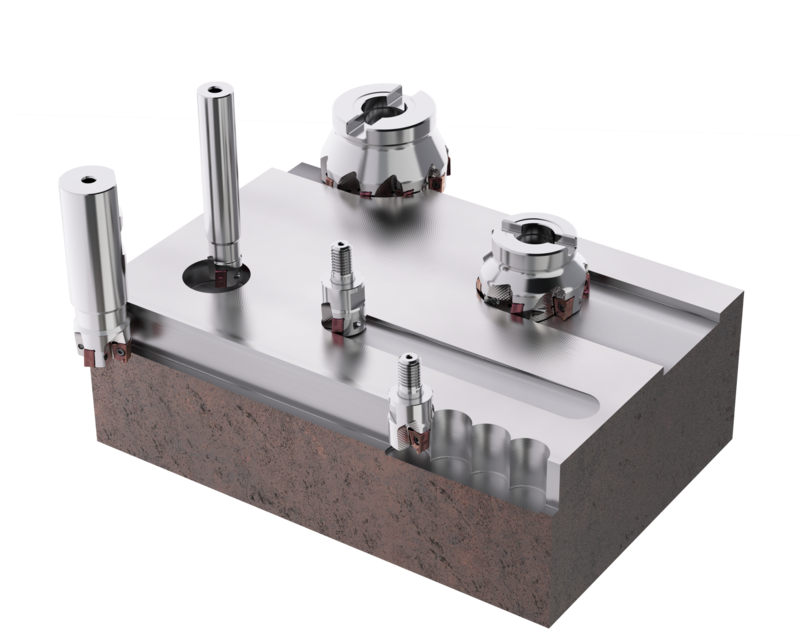
Next, define the application. Square shoulder milling can include shoulder milling, side milling, slotting, ramping, face milling, plunge milling, and helical interpolation.
Each operation places different demands on the tool, so it is important to determine whether the customer needs a cutter for a specific shoulder milling task, or a more versatile solution that can handle multiple application types.
This distinction can significantly influence tool choice. A product selected for basic shoulder milling may not offer the same capabilities for ramping, plunge milling, or other more varied operations.
If application versatility is a priority, the Turbo range is typically the most suitable choice, as it supports a wide range of operations, including ramping. Square T4 and Double Turbo provide flexibility in conventional milling operations, depending on material, machine, and performance requirements. Solid milling also offers many solutions from finishing, till roughing and dynamic milling. The JS564/JS565 range offers material versatility in dynamic milling and JS720 is an optimized solution for M and S materials with this same strategy.
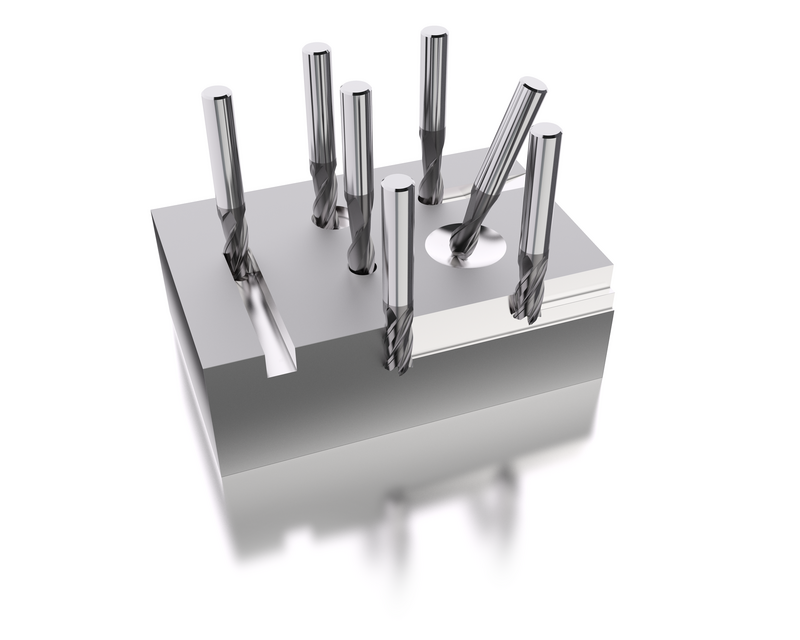
A slotting operation may require strong chip evacuation. A finishing operation may require better wall quality and surface finish. A roughing operation may prioritise edge strength and productivity. Dynamic milling strategies may require a different approach to cutter diameter, engagement, and depth of cut.
The workpiece itself also matters. Component geometry, accessibility, wall height, tolerance, and surface requirements should all influence tool selection.
Step 4: Define the component quality requirement.
Not every application needs the same level of precision. Before choosing the tool, define what the finished component must achieve.
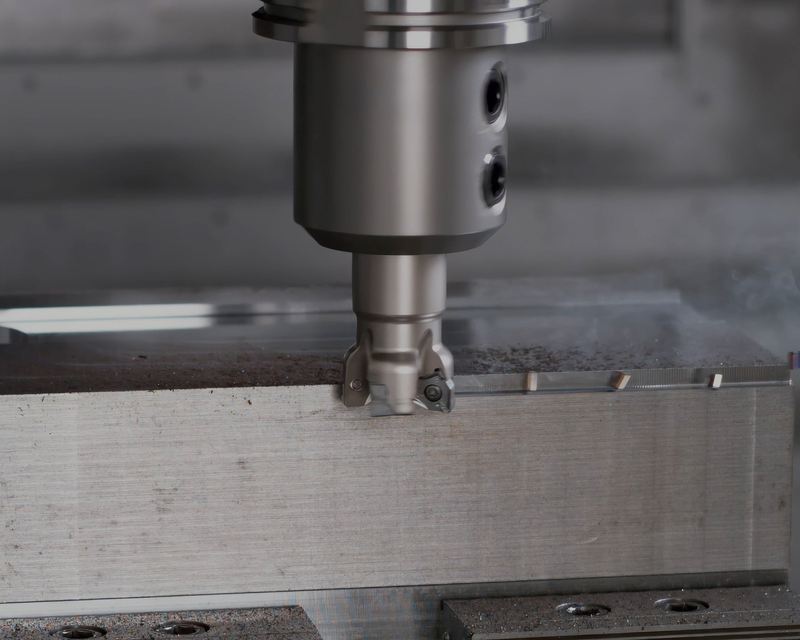
Does the shoulder need to meet a strict perpendicularity requirement? Is a true 90-degree wall essential? Is the surface functional or cosmetic? Will the component require secondary finishing if the wall quality is not sufficient?
A true 90-degree shoulder means achieving the required perpendicularity, straightness, and wall tolerance. In this instance, Square 6TM would be a fantastic option to improve wall straightness.
This becomes particularly important when absolute 90° accuracy is required, where ground inserts provide clear advantages over pressed inserts in terms of dimensional accuracy and surface finish.
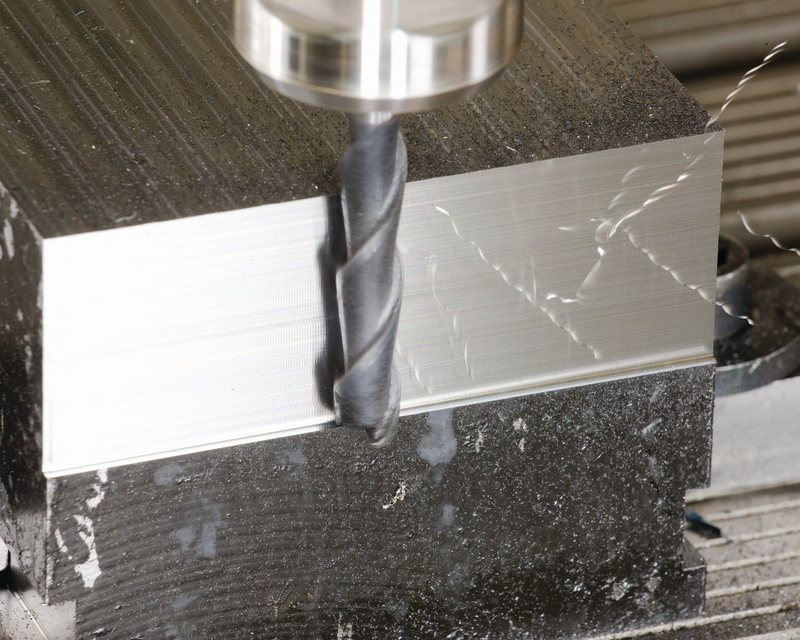
For finishing and demanding wall quality, solid end mills are often a strong choice. Their ground geometry, sharp cutting edges, and long cutting length support a smooth cutting process with high surface quality while their rigid tool setup provides tight tolerances and small runout. A good example is the JS522, a dedicated long-flute finishing end mill designed to produce precise 90° wall finishes, even in deep-wall applications.
In other cases, indexable square shoulder milling cutters provide the productivity, economy, and reliability needed for the application.
The correct solution for your needs ultimately depends on the full set of component requirements.
Step 5: Review the main tool types.
There are three main types of square shoulder milling solutions to consider: indexable, exchangeable, and solid.
You can learn more about these cutting options in our comparison blog:
Inline Content - Gridded Links
Tags: '68036cf5-5ab7-4f4a-a6a6-69fac19af567'
Indexable milling cutters
Indexable cutters use replaceable inserts mounted in a cutter body. When the cutting edge is worn, the insert can be indexed or replaced, rather than replacing the whole tool.
Indexable milling cutters are often used for larger diameters and applications where productivity, cost per edge, and cutter body reuse are important.
They can be a strong choice for general machining, roughing, semi-finishing, and broad square shoulder milling operations.
They also offer flexibility through different insert grades, geometries, corner radii, and pitch options.
Exchangeable head systems
Exchangeable head systems use replaceable cutting heads mounted onto reusable shanks. They sit between solid end mills and indexable cutters in many applications.
They are particularly useful when customers need flexibility, long reach, reduced downtime, or leaner inventory.
Instead of keeping many complete solid tools, customers can combine different heads and shanks to cover multiple applications.
Exchangeable heads can also reduce changeover time because only the head needs to be changed. In suitable applications, this can help reduce remeasurement and setup time, supporting higher machine utilisation.
Solid end mills
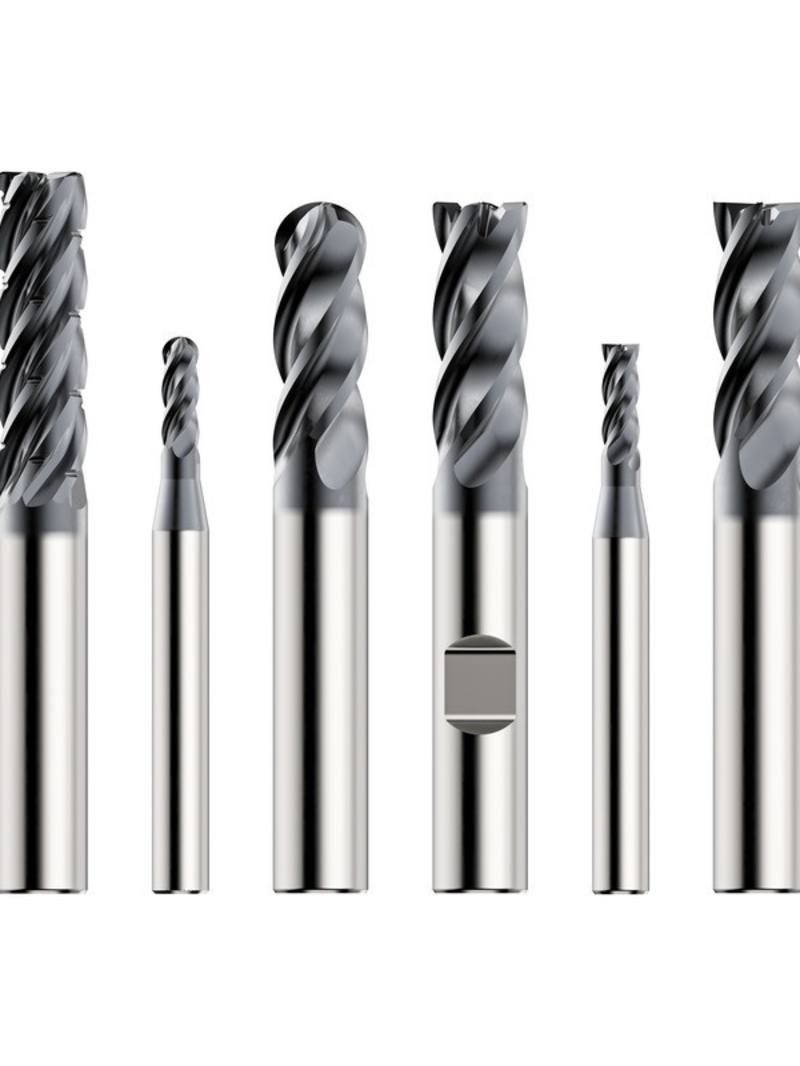
Solid end mills are made from one carbide rod. They are commonly used for smaller diameters, finishing operations, precision features, and applications where wall quality is especially important.
They can be a strong choice when the customer needs high accuracy, clean wall quality, or reliable performance in smaller features as well as when the machining envelopes are small.
Solid end mills can also be reconditioned in many cases, supporting reuse, and extending tool value.
Step 6: Match the tool to the diameter range.
Diameter is one of the most vital and practical selection points.
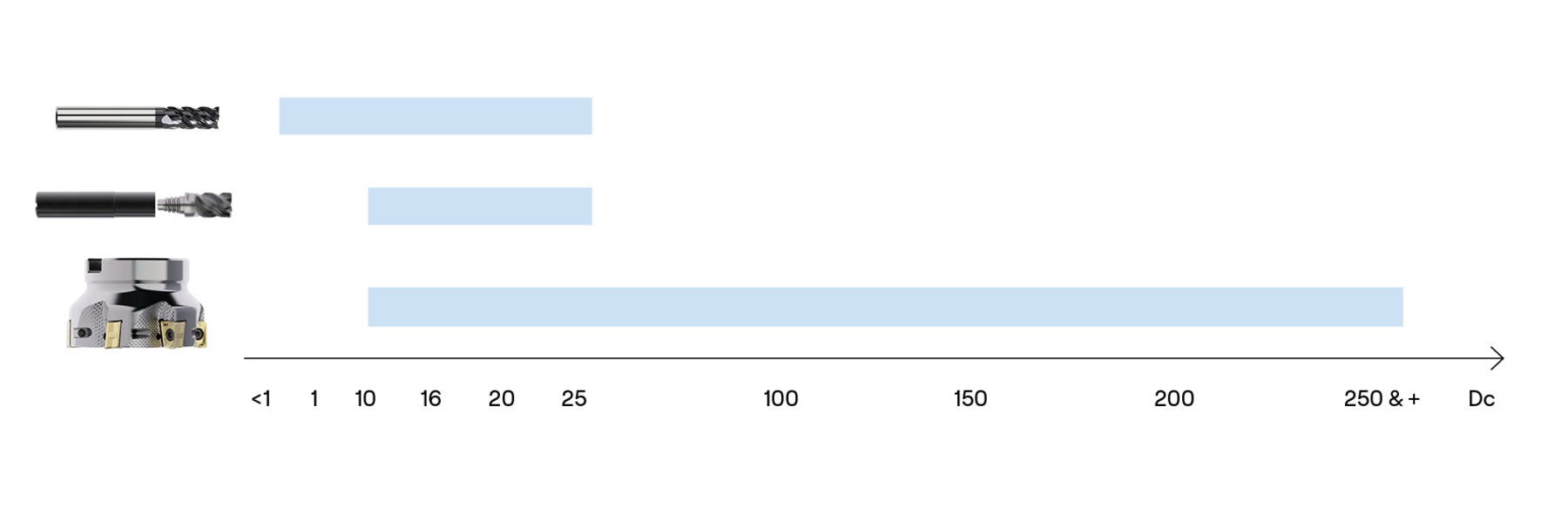
- Solid end mills typically cover smaller diameters, including very small tools from 0,1 mm till 25 mm.
- Exchangeable heads often fill the intermediate range, around 10–25 mm, where flexibility and cost efficiency can be valuable and for long overhangs in deep pocket.
- Indexable tools generally become more attractive at larger diameters, typically from around 16 mm onward, extending to much larger cutter sizes.
These ranges can overlap, so the final choice should also consider machine capability, operation type, tolerance, cutting length, overhang, and production volume.
Step 7: Consider depth of cut, cutting length, and corner radius.
Several tool dimensions must match the component.
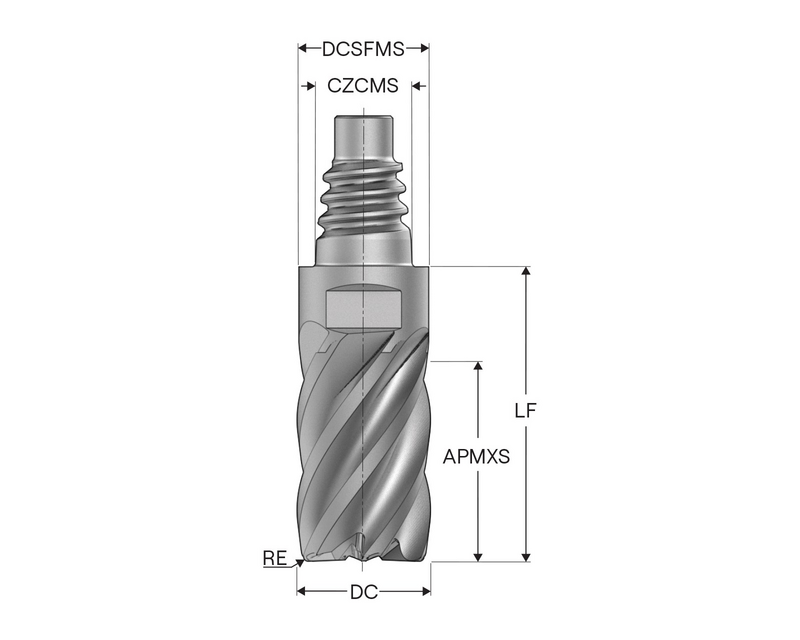
Diameter affects accessibility, stability and productivity.
The cutting length determines the achievable wall height in a single pass. Insufficient cutting length requires multiple steps increasing the risk of a mismatch between passes, which can result in visible witness marks.
The right cutting strategy for your component shape, influences productivity and toollife.
Corner radius affects the finished component geometry and must match the requirement at the bottom of the workpiece.
If a specific corner radius is required, this should be identified early. If a wall must be machined in one pass to avoid mismatch or witness marks, the cutting length becomes critical. If the strategy involves heavier roughing, increased depths of cut are typically applied to maximise material removal, placing higher demands on edge strength and tool robustness.
Good tool selection starts with the component drawing, not just the product catalogue.
Step 8: Decide the customer’s first-choice criterion.
Different customers always value different outcomes.
Some prioritize the lowest possible cost per edge, others require the highest surface finish, while some need versatility across materials and applications.
High-mix manufacturers may value fast changeovers and lean inventory, whereas high-volume production environments may prioritise predictable tool life and cycle time reduction.
This is why there is no single “best” square shoulder milling cutter. There is only one best solution for the customer’s priorities.
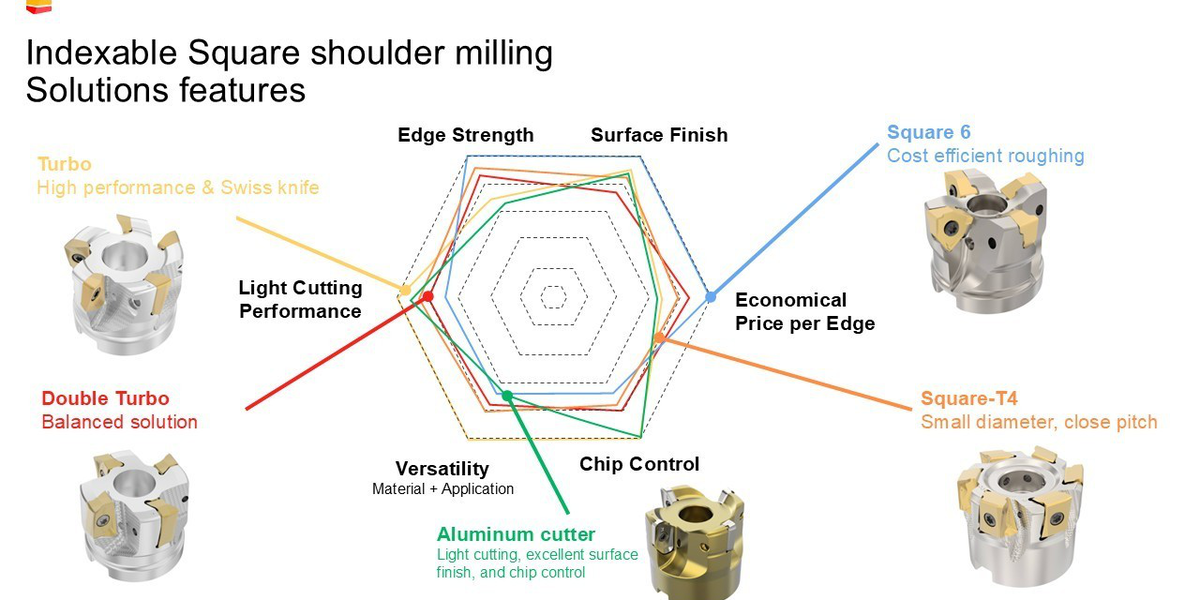
Seco® square shoulder milling solutions at a glance.
The square shoulder milling range of Seco includes a comprehensive portfolio of tooling solutions, designed to address different machining priorities, application types, and production environments.
Indexable cutters
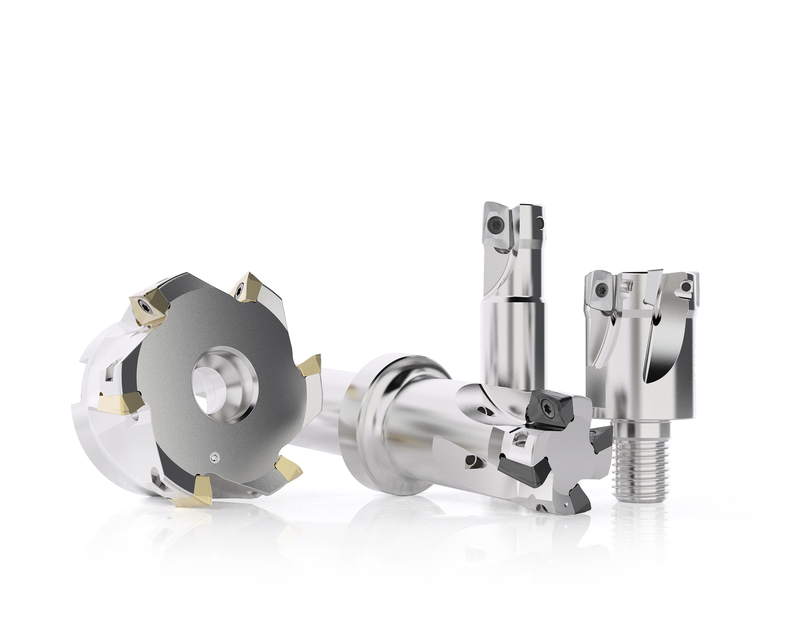
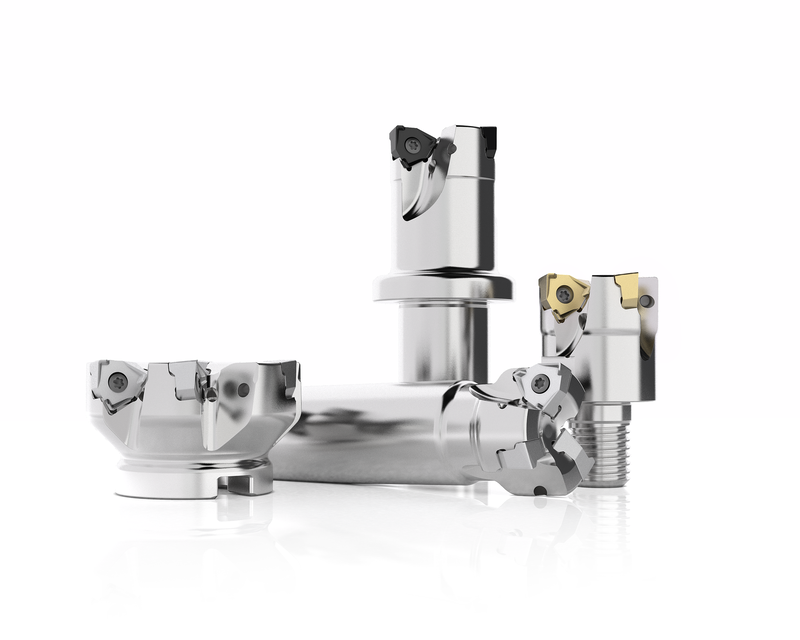
Turbo
Turbo is a high-performance, highly versatile cutter range for roughing, semi-finishing, and finishing across a wide range of materials.
It is especially suited for difficult-to-machine materials such as titanium and super alloys, where reliable performance is critical, and supports multi-application machining including ramping.
The range is available in multiple insert sizes, supporting both small and large machining requirements.
Discover the Turbo range
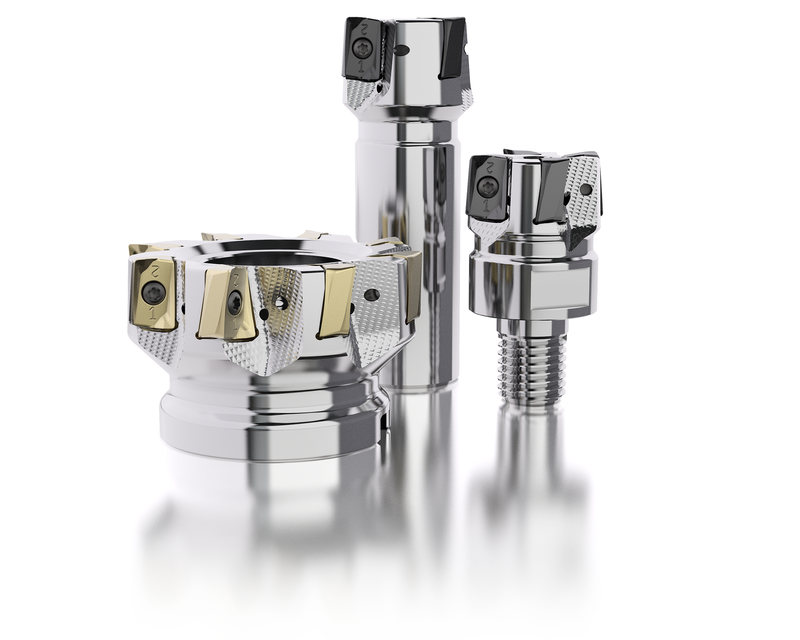
Double Turbo
Double Turbo is a balanced solution using double-sided inserts with four cutting edges.
It supports smooth cutting, reliable 90-degree machining, and cost-efficient performance in a wide range of applications.
Available in insert sizes 11 and 16, it provides a robust and stable solution for typical square shoulder milling conditions.
Explore the Double Turbo solution
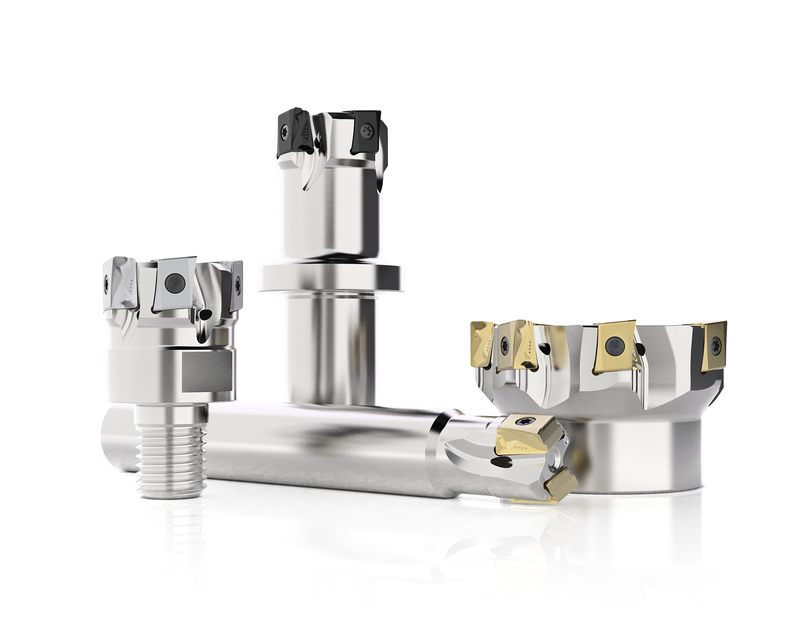
Square T4
Square T4 is a tangential cutter with double-sided inserts featuring four cutting edges, designed for roughing and semi-finishing.
Its strong insert design provides high stability and reliability in demanding applications, including smaller diameter ranges.
Available in insert sizes 08 and 12, it offers a robust solution for challenging machining conditions.
Discover the Square T4 range
Square 6TM
Square 6 is an economical solution featuring six cutting edges, designed to minimise cost per edge in square shoulder milling.
Available in insert sizes 04 and 08, it also supports improved accuracy and wall quality due to its ground inserts and straight cutting edges.
Explore Square 6 solution
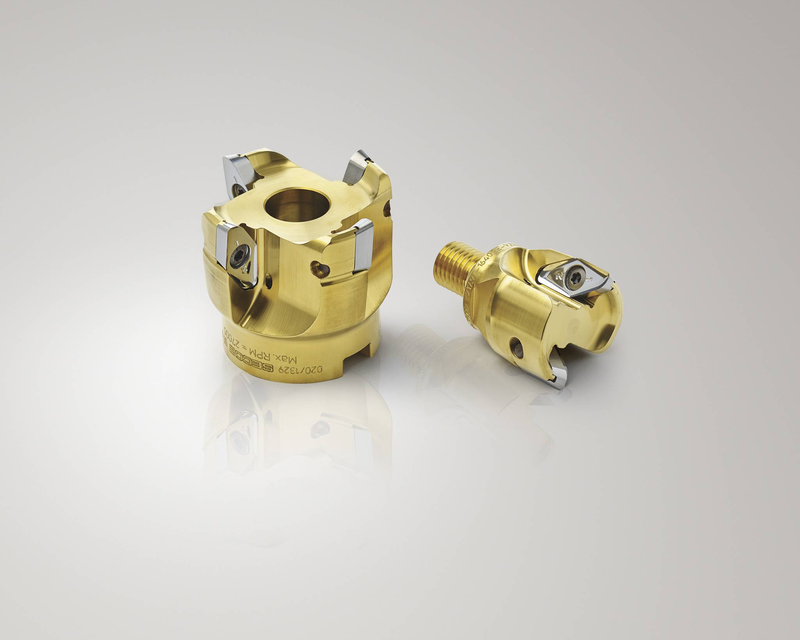
Aluminum mills
Aluminum mills from Seco are designed for high-productivity aluminium machining. This solution is optimised for high-speed cutting and high metal removal rates.
It delivers light cutting action, excellent surface finish, and efficient chip evacuation in slotting, square shoulder milling, and pocketing applications.
Available in insert sizes 08, 12, and 22 to cover a wide range of machining conditions.
Check our aluminum cutters
| Product range | Best suited to | Selection consideration |
Turbo
| Versatile option for roughing, semi-finishing and finishing. | High performance in all materials, particularly suited to difficult-to-machine materials such as titanium and super alloys. |
Double Turbo
| General-purpose machining with focus on cost efficiency and reliable 90° performance. | Double-sided inserts with 4 cutting edges, smooth cutting action, reduced cutting forces, balanced performance. |
Square T4
| Roughing and semi-finishing, especially where strength and stability are important. | Tangential insert design, strong insert support, smaller-diameter applications, and demanding machining conditions. |
Square 6TM
| Strong option for cost-effective, general square shoulder milling. | Six cutting edges, lower cost per edge, general machining, slotting, face milling, and plunging. |
Aluminum mills
| Perfect for high-speed aluminum machining. | High metal removal rates, chip evacuation, and performance in slotting, shoulder milling, and pocketing. |
X-Head Exchangable Head System
The X-Head exchangeable head system from Seco supports flexible machining by allowing different heads and shanks to be combined.
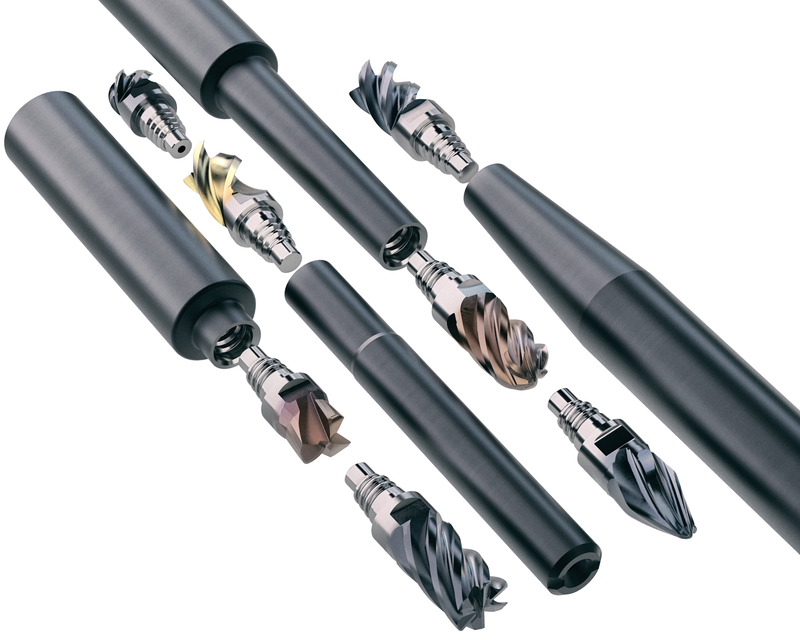
This can help reduce tool inventory, support long-reach applications and reduce downtime during tool changes.
Within the X-Head range, different solutions are available depending on the customer’s application and material requirements.
First, we can mention 3 universal geometries:
- XSE550 square shoulder heads are available with 3, 4, or 5 flutes, giving customers options based on the required balance of stability, productivity and application needs.
- XVE540 offers a square-shoulder option with an internal coolant supply, supporting chip evacuation and process security.
- XVE510 is a spade-style head also for universal machining and positioned in the core offering.
When there is a need for material optimization, the XSE450 is a dedicated aluminum option for customers machining aluminum components while XSE720 is optimized for titanium, stainless steels and superalloys.
This allows customers to select an exchangeable-head solution based on application type, material, diameter range, reach and performance expectation, rather than relying on a single general-purpose option.
Solid End Mills
The solid end mills range of Seco support small-diameter work, finishing, and precision applications where surface quality, and wall accuracy are essential requirements. It also excels in roughing applications or when using specific strategies such as dynamic and high feed milling.
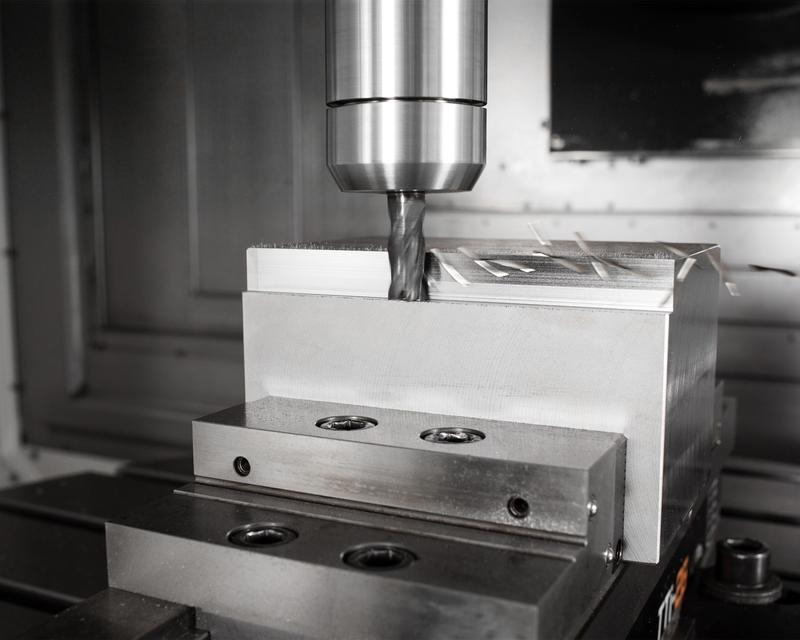
The solid end mill range includes various solutions tailored to the customer’s machining needs and required performance level.
Tooling Performance System from Seco can help customers match these solid end mill options to the complexity of the application, from reliable everyday performance through to more demanding productivity, tool life, or precision requirements. The Tooling Performance System is broken down into three tiers: Max, Plus, and Core.
For the Core tier which provides only essentials features to do the job right sits the C-series as well as the JSE510 range which provides a dependable option for general applications.
While JS550, JS560, JS520, and Stabilizer ST55 fall within the Plus range for customers seeking higher performance in more specific or demanding conditions where stability, reach, and wall quality are important considerations.
As part of the Max tier, JS720 and JS750 offer further options for applications requiring more advanced performance can support applications where stability, reach, and wall quality are important considerations.
Beyond performance tiers, the choice can also be made to cover different square shoulder milling application needs.
JS550, JS750, ST550 and ST450 are well suited to general side milling and slotting, while JS560 and JS720 support dynamic milling strategies.
For finishing, JS520 and JS522 help achieve high wall quality and surface finish.
For roughing, JHP993, JHP794, HP4931 and S4931 provide dedicated options focused on productivity, strength and efficient chip evacuation.
| Product range | Best suited to |
| C510 | General purpose universal machining |
| JSE510 | General purpose universal machining with
advanced features |
| ST550 | High performance end mill, with variable cutting geometry for optimized stability and high MRR |
| JS550 | High performance and versatile solution |
| JS520 | High performance multi-flutes for finishing applications |
| JS522 | High performance long flute finishing tool for applications with high axial engagement of straight walls |
| JS560 | Dedicated for dynamic milling with advanced performance and reliability for advanced roughing applications |
| JS720 | Optimized multi-flute tools for difficult to machine materials (M and S) |
| S4651 | High performance dynamic milling series for aluminum materials |
| JS750 | High performance end mills dedicated for
difficult to machine materials |
| S450 | High performance end mill series, dedicated for aluminum and non-ferrous materials machining |
A practical tool selection route.
Having a simple square shoulder milling selection route can help avoid confusion when choosing the right solution.
Start by defining the material and machine. Then identify the application and machining strategy.
Next, review the component requirements, including tolerance, wall quality, depth of cut, cutting length and corner radius. After that, decide whether the priority is economy, productivity, flexibility, surface finish or process security.
Example scenarios.
Let’s imagine a customer machining a small batch of components with several shoulder features, different reaches, and frequent tool changes.
The machine has limited available setup time, and the production team wants to avoid holding a large number of complete tools.
In this situation, an exchangeable head system may be the right direction.
By combining different heads and shanks, the customer can cover multiple applications while reducing the number of complete tools needed. Head changes can also be quicker than replacing complete solid tools, helping reduce downtime and simplify tool management.
Now consider a different customer machining a larger shoulder on a rigid machine, where cost per edge and productivity are the main priorities. An indexable cutter may be a better fit here, especially if the operation can benefit from replaceable inserts and a robust cutter body.
The right tool choice ultimately changes because the application itself changes.
In conclusion.
Selecting the right square shoulder milling solution means balancing technical and commercial factors.
The material, machine, application, component geometry, tolerances, production volume, and customer priorities all influence the decision.
Indexable, exchangeable, and solid tools each have clear advantages, but those advantages only matter when they match the relevant machining challenge.
By starting with the application rather than the product, manufacturers like you can choose a square shoulder milling solution that improves reliability, surface quality, productivity, and overall cost efficiency.